The Netherlands is one of Europe’s most digital-friendly countries when it comes to money. From contactless payments to online banking, everything is streamlined—but it still helps to know how the system works. Here’s what to expect, plus how dogpay can make managing your money even easier.
💶 The Currency
- The Netherlands uses the Euro (EUR / €). (wise.com
)
- Prices are displayed in euros, and cash is less common than in many other European countries.
- You can still use notes and coins for small purchases, but locals prefer digital payments.
- Always keep a few small coins handy for vending machines or small cafés that may not accept cards.
🏦 Banks and Accounts
- Major Dutch banks include ING, ABN AMRO, Rabobank, SNS Bank, and Triodos Bank. (wise.com
)
- Opening a bank account in the Netherlands usually requires proof of identity (passport), a BSN (citizen service number), and proof of address.
- Most banking is done digitally — from payments to transfers — and Dutch banks are known for their user-friendly mobile apps.
- If you’re staying short-term, you may not need a local account; digital alternatives like dogpay can help you manage funds internationally.
💳 Card Payments and ATMs
- Debit cards are the most common payment method, especially Maestro and V Pay. Visa and Mastercard credit cards are widely accepted in hotels and big stores but less so in small shops or local cafés.
- ATMs (geldautomaat) are common in cities but disappearing in smaller towns. Withdrawals are in euros, and some machines may charge small fees for foreign cards.
- Always withdraw in EUR, not your home currency, to avoid bad conversion rates. (wise.com
)
💡 How dogpay Can Help
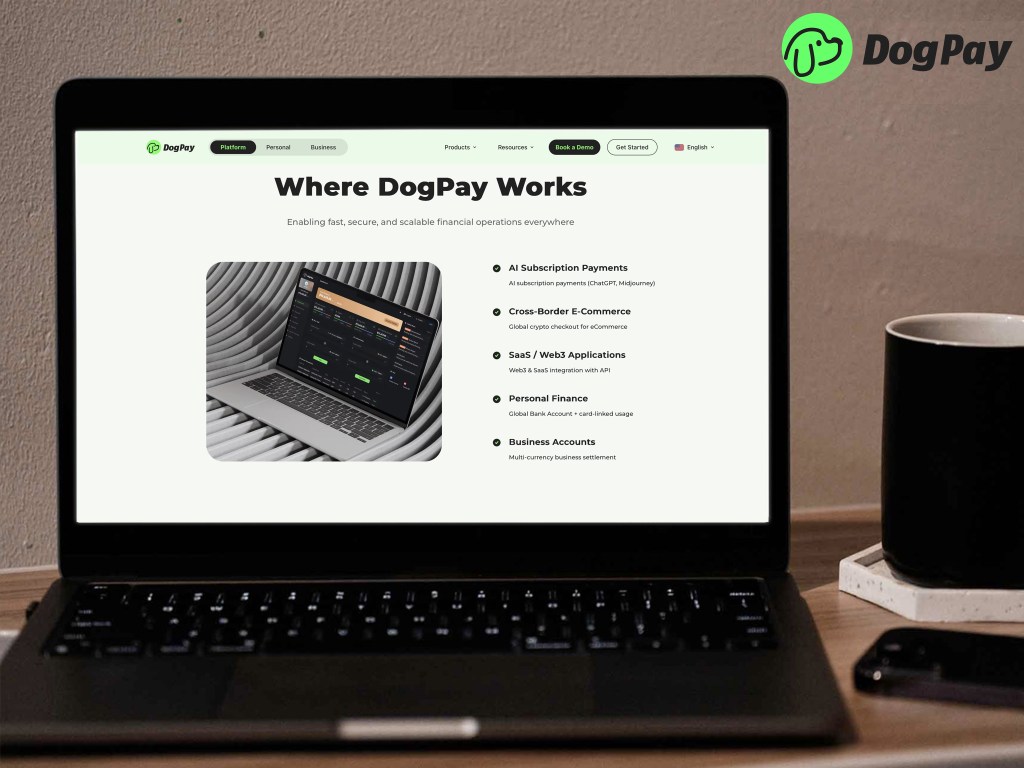
- Pre-convert or transfer funds: If you hold USD, GBP, or another currency, use dogpay to convert or transfer funds to EUR before you travel. This helps you avoid high ATM or card fees.
- Seamless online payments: dogpay allows you to make euro-denominated online purchases, subscriptions, and hotel bookings without relying on a local Dutch account.
- Multi-currency control: With dogpay, you can hold multiple currencies and decide when to exchange them into euros — giving you more control over conversion timing.
- Ideal for expats and travelers: If you’re working remotely or studying in the Netherlands, dogpay gives you a practical bridge between your home currency and daily expenses in Europe.
🧾 Quick Checklist
- Bring at least one card that works on the Maestro or Mastercard network.
- Withdraw euros from reputable bank ATMs and decline “home-currency” conversion.
- Get familiar with contactless payments — even buses and cafés accept them.
- Use dogpay to manage cross-currency funds flexibly, minimizing fees.
- If you stay long-term, consider opening a Dutch account with proof of residence and BSN.