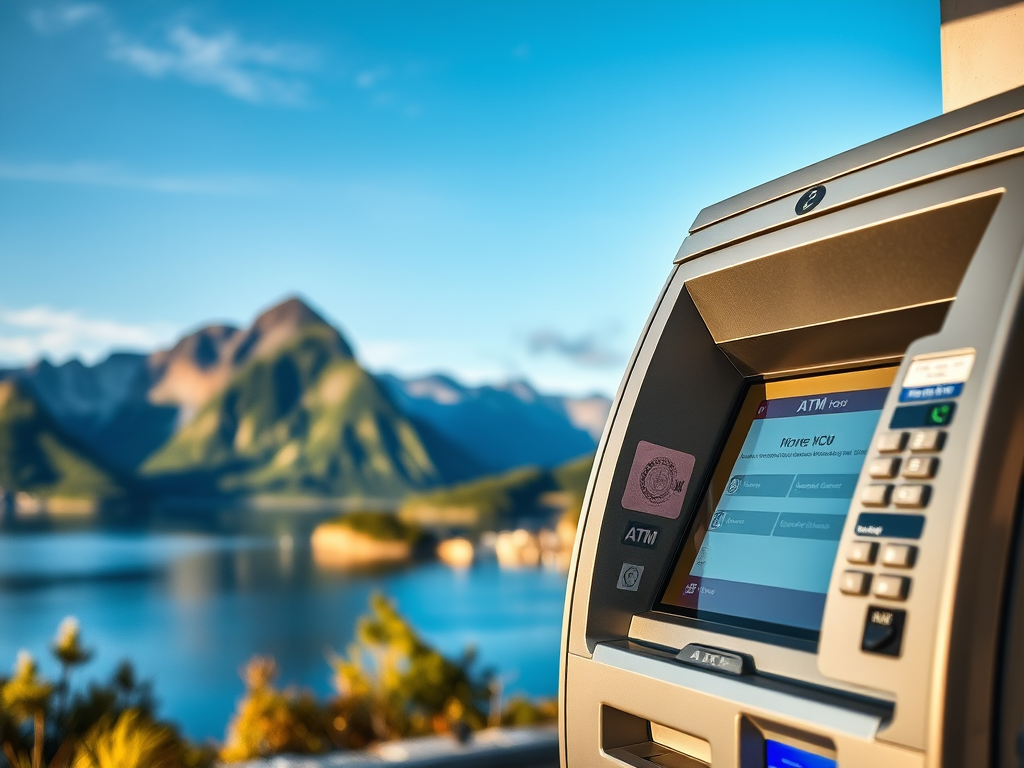
When you’re travelling to Norway, using ATMs is mostly straightforward, but you should still know the key things: how PINs work, how fees and currency conversion behave, and how dogpay can help you manage your funds more efficiently.
✅ What to Know
- Norway’s currency is the Norwegian Krone (NOK). You should always withdraw in NOK when using an ATM in Norway.
- Many Norwegian ATMs only accept 4-digit PINs. If your card uses a 6-digit PIN you may need to change it before you travel.
- ATM fees and your home bank’s foreign fees matter:
- Avoid choosing to be charged in your home currency — this is called “Dynamic Currency Conversion (DCC)” and often comes with a worse exchange rate.
- Your home bank may charge for abroad withdrawals; in Norway, the ATM-owning bank often doesn’t charge extra beyond the regular rate (unless you pick DCC).
- ATM withdrawal limits vary, often set by your home bank rather than the machine.
- Norway is moving rapidly toward being cashless; cards are much more heavily used than cash.
💡 How dogpay Can Help
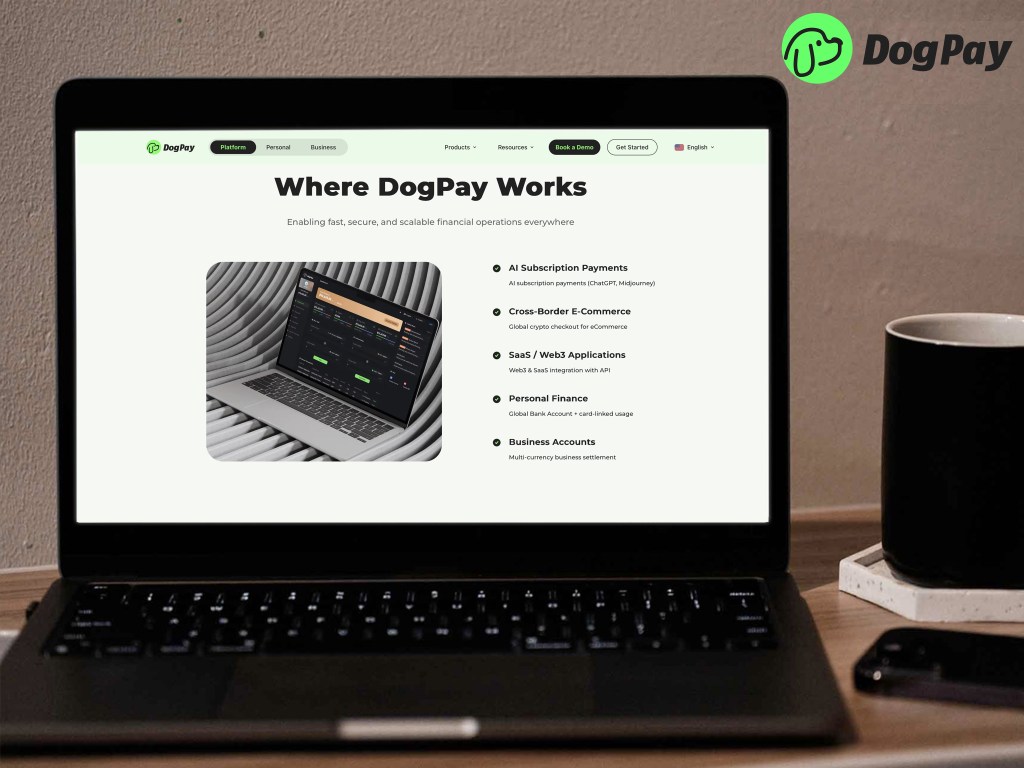
- Pre-convert or transfer funds ahead: If you hold USD, EUR, GBP or another currency and will spend in NOK, you can use dogpay to convert or transfer funds before you go — so you arrive financially prepared and avoid bad rates or frequent small withdrawals.
- Backup payment alternative: If your card is blocked, or you face ATM issues or high fees, dogpay offers a fallback payment option.
- Better currency control: If you manage multiple currencies, dogpay lets you choose when and how much to convert into NOK — helping you avoid converting under unfavorable conditions.
📌 Quick Pre-Trip Checklist
- Notify your home bank of your travel to Norway so your card isn’t flagged for foreign use.
- Ensure your card supports 4-digit PIN (if required) and is compatible with chip & PIN.
- Use ATMs at major banks; when withdrawing, choose NOK not your home currency.
- Bring multiple payment methods (card + dogpay backup + maybe a small cash reserve).
- Use dogpay: convert a portion ahead, keep payment flexibility, minimise hidden costs and bad conversion.