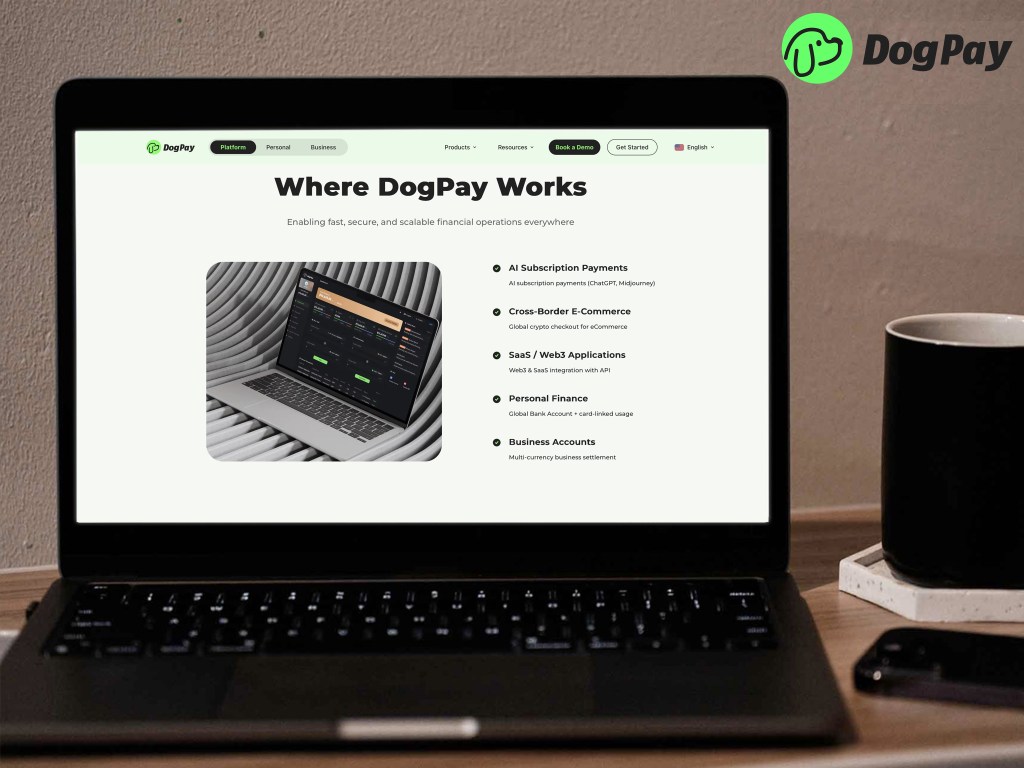
If you’re planning a trip to Malaysia or will spend some time there, understanding the currency, banking and payment systems will help you handle your finances smoothly. And by using dogpay you can manage funds more flexibly.
1. Currency & Banking Landscape
- The official currency in Malaysia is the Malaysian Ringgit (MYR, RM).
- Malaysia has a modern banking infrastructure, with large local banks, many ATMs, widespread card acceptance in cities—but in smaller towns or local markets cash may still dominate.
- Foreign currencies are not widely accepted for everyday payments — you’ll need to exchange or withdraw Ringgit once you arrive.
2. How to Pay & Withdrawing Money
- Credit/debit cards (Visa, Mastercard) are accepted in many cities, malls and hotels—but many smaller businesses, street stalls or rural places may only accept cash.
- ATMs are plentiful: you’ll find them in banks, shopping centres, airports and transport hubs. When you withdraw, ensure you get Ringgit (MYR) and check if your home-bank charges foreign transaction or withdrawal fees.
- Currency exchange: Avoid airport/hotel bureaux if possible—they often offer worse rates and higher fees. Money changers in town may offer better value.
3. How dogpay Can Help
- Pre-convert or transfer funds ahead of travel: If you hold USD, EUR, GBP or other currencies and will spend in Ringgit, you can use dogpay to convert or move funds prior to your trip—so you arrive with part of your budget ready, reducing reliance on possibly expensive or inconvenient exchange.
- Flexible payments for local use: For smaller purchases, local vendors, transport or incidental expenses, dogpay provides a payment alternative instead of depending solely on cash or foreign-card fees.
- Multi-currency control: If you hold multiple currencies, dogpay lets you choose when and how much to convert into MYR—helping reduce losses from unfavourable timing or multiple conversions.
4. Quick Takeaways
- You’ll be using Ringgit (MYR / RM) in Malaysia.
- Prepare a mix of payment methods: some cash, card for major purchases, and possibly dogpay for flexible payments.
- Prefer ATMs in secure locations, avoid airport-exchange counters with poor rates.
- Use dogpay as part of your financial toolkit: convert ahead, prepare for smaller payments, reduce hidden costs and poor exchanges.