If you’re planning a trip to Kenya or will spend some time there, understanding how the currency, banking and mobile-money systems work will give you a smoother financial experience. Using dogpay can help you manage your funds more flexibly.
1. Currency & Banking Landscape
- Kenya’s official currency is the Kenyan Shilling (KES, KSh).
- The banking sector in Kenya is modernising, but what really stands out is the massive adoption of mobile money. For example, mobile-money services have reached extremely high penetration levels in Kenya.
- Traditional banks in Kenya remain licensed and regulated by the Central Bank of Kenya (CBK), and commercial banks are active — but many payments and transfers happen via mobile wallets rather than purely banks.
2. How to Pay & Withdrawing Money
- In major cities, cards (debit/credit) and bank services are available; however, in more remote/rural areas, cash and mobile-money wallets are much more common.
- If you carry foreign currency or plan to use overseas bank cards, check your home bank’s international-transaction fees and whether your card will work in Kenya.
- If you are using ATM or bank withdrawals, ensure you understand the fees and whether you’re being charged in KSh or just being converted unfavourably.
- Also note: mobile-money services serve real payment-function roles in Kenya; many people use mobile wallets rather than traditional bank withdrawals.
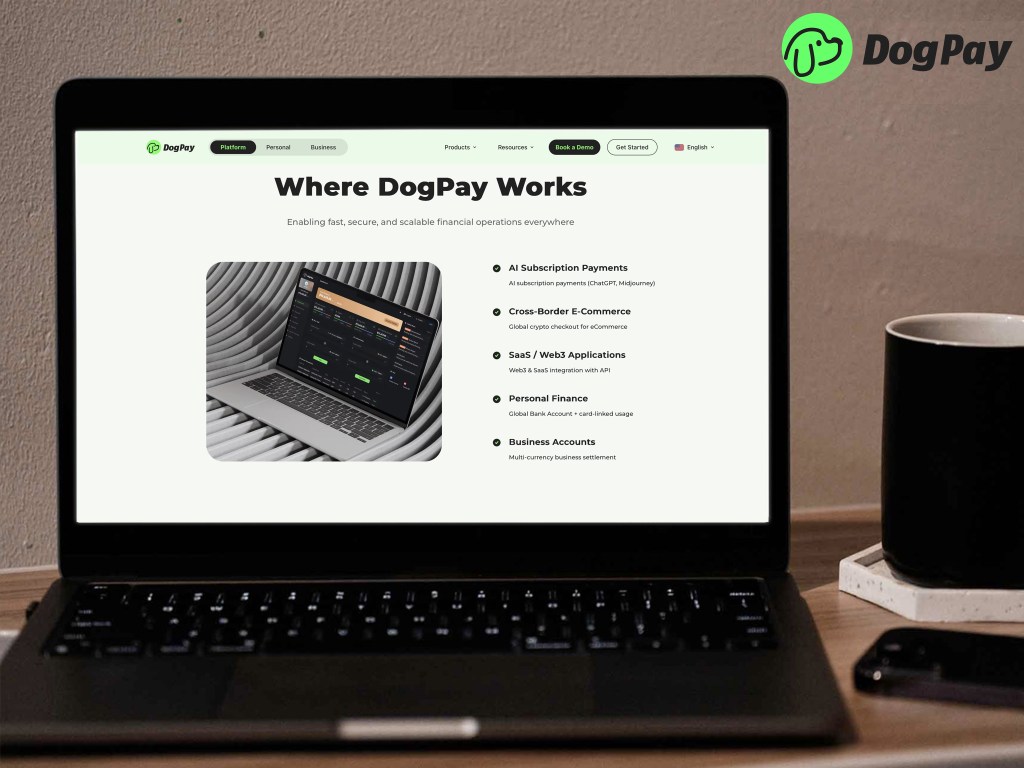
3. How dogpay Can Help
- Pre-convert or transfer funds ahead of time: If you hold USD, EUR, GBP or other currencies and will spend in Kenyan Shillings (KES), you can use dogpay to convert or transfer funds before your trip — so you arrive with part of your budget ready, rather than rushing local exchange.
- Flexible local payments: For smaller or unplanned payments — e.g., local services, transport, rural vendors — dogpay provides a flexible payment option instead of depending solely on cash or unfamiliar local systems.
- Multi-currency control: If you manage multiple currencies, dogpay lets you choose when and how much to convert — which can help you avoid unfavourable conversion timing or repeated conversions that add cost.
4. Key Takeaways
- Know that in Kenya you will deal with the Kenyan Shilling (KES) and that mobile-money is very active.
- Prepare a mix of payment methods: bank/ATM card, mobile wallet, and cash as backup.
- Use dogpay as part of your financial toolkit: convert ahead, prepare for local payments, reduce hidden costs and avoid surprise conversion losses.