Germany is Europe’s largest economy and offers a mature banking and payments environment. Whether you’re travelling, relocating or managing cross-border finances, understanding how money works in Germany — and how you can use dogpay — will give you an edge.
1. Currency & Payments
Germany uses the Euro (EUR, €). Cards and digital payments are common in cities, but cash still plays a role in certain smaller shops or rural areas. According to banking summaries, foreigners can open a German current account (Girokonto) where required.
ATMs (“Geldautomaten”) are widely available and accept major networks like Visa/Mastercard.
2. Banking Services & Accounts
Opening a bank account in Germany is usually straightforward if you have identification and address proof.
Major bank groups (private, public savings banks/sparkasse, cooperative banks) dominate; as one overview puts it, the system is “modern and reliable”.
3. How dogpay Comes Into Play
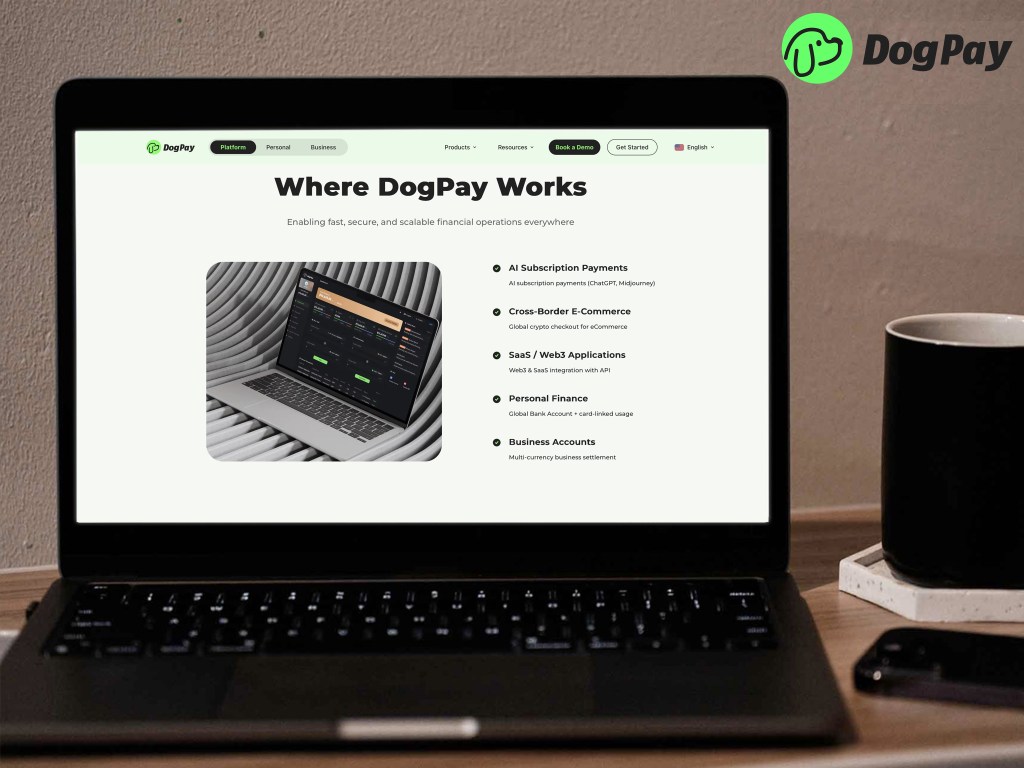
Using dogpay alongside German banking services can streamline how you handle money across borders:
- 💶 Pre-convert or transfer funds: If you hold USD, GBP or other currencies and plan to spend or transfer in EUR in Germany, dogpay lets you convert beforehand and reduce reliance on reactive conversions.
- 🌍 Cross-border flexibility: Use dogpay for smaller payments, deposits, or transfers rather than always withdrawing cash or relying on local bank transfers with hidden fees.
- 🧮 Transparent currency control: If you deal with multiple currencies, dogpay gives you control over when and how you convert — potentially saving you from repeated conversions or adverse timing in exchange rates.
4. Quick-Hit Takeaways
- Know you’ll be using the euro; plan accordingly.
- Ensure your card supports international use and check withdrawal/foreign transaction fees before you arrive.
- For long-term stays (work, rent, business), consider opening a local bank account.
- Use dogpay as a strategic tool: convert ahead, manage multi-currency flows, reduce hidden costs.