If you’re heading to Berlin and need to exchange currency or manage money abroad, this guide helps you do it smarter—and shows how dogpay can play a role.
What to Know Before Exchanging
- In Germany, the currency is the Euro (EUR, €).
- When you arrive, check the real “mid-market rate” (the benchmark rate shown online) and compare what the exchange desks are offering. Many have hidden mark-ups or worse rates.
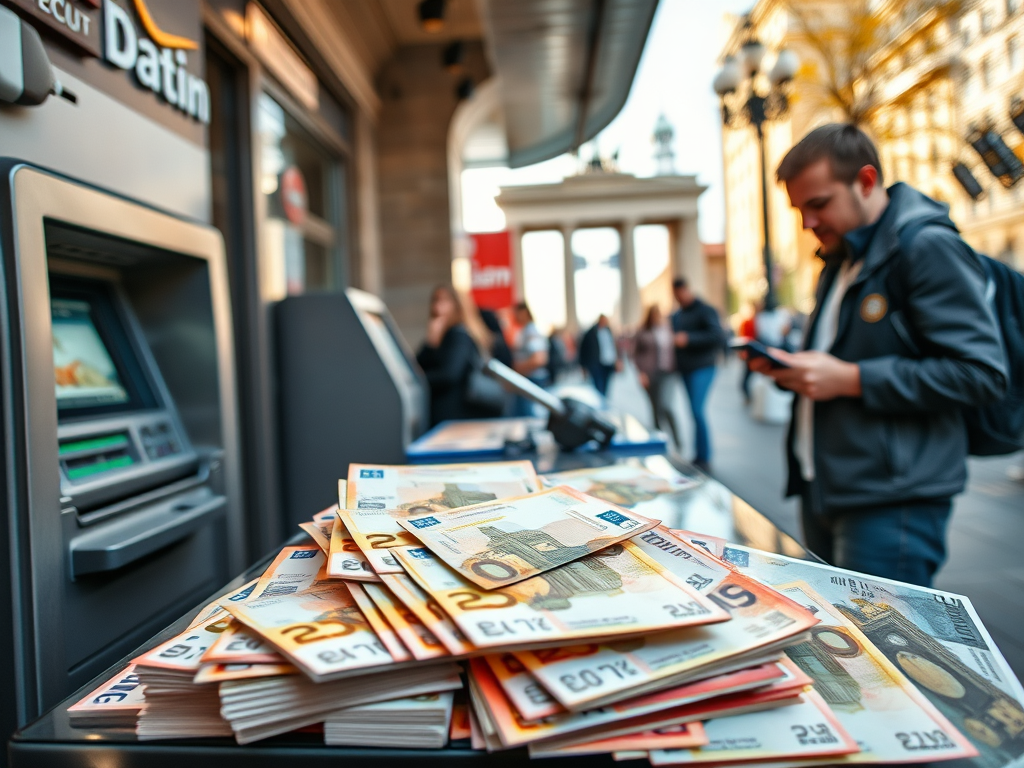
- Using an ATM is usually better than stand-alone exchange booths: you’ll normally find better value if you withdraw in euros rather than letting a machine convert into your home currency.
- At the ATM: Always choose to be charged in euros (EUR) rather than your home currency. That avoids poor conversion rates or added fees through dynamic currency conversion.
- Avoid exchanging large sums at airport kiosks or hotel desks—those places often have high fees.
- Plan ahead: rather than making many small withdrawals, doing one or two larger ones is often more cost-effective (if you can safely store the cash).
How dogpay Can Help
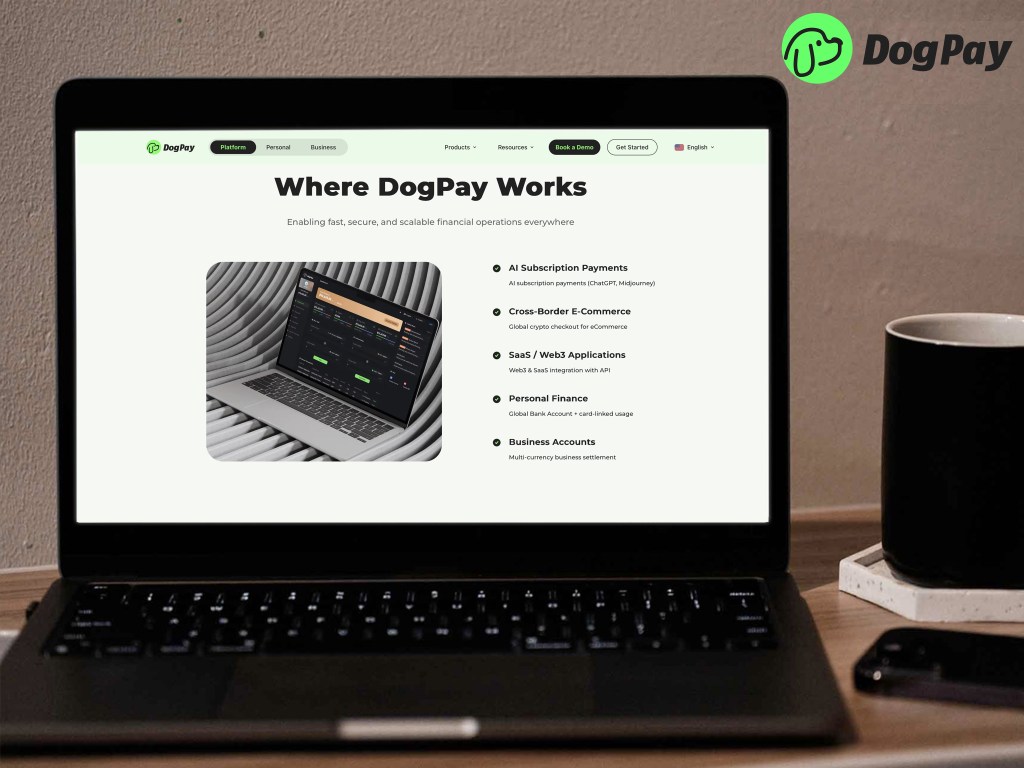
- With dogpay, you can convert or move funds ahead of your trip—for example if you hold USD or GBP and you’ll spend euros in Berlin.
- You gain more control over when and how you convert your money—lock in a rate ahead of time, avoid being subject to last-minute higher costs.
- For smaller or unexpected payments once in Berlin (local services, extras, transport) having dogpay ready could mean you’re less dependent on repeated ATM withdrawals or risky cash exchanges.
Quick Takeaways
- Know that Berlin uses the euro and that exchange desks can vary widely in cost.
- Prioritise using bank-affiliated ATMs, withdraw in euros, avoid letting machines decide the currency.
- Use dogpay as part of your money strategy: pre-fund, convert smartly, and reduce hidden costs.