If you’re heading to Copenhagen (Denmark) and plan to exchange currency, here’s a practical guide — and how dogpay can help you manage funds more efficiently.
What You Should Know
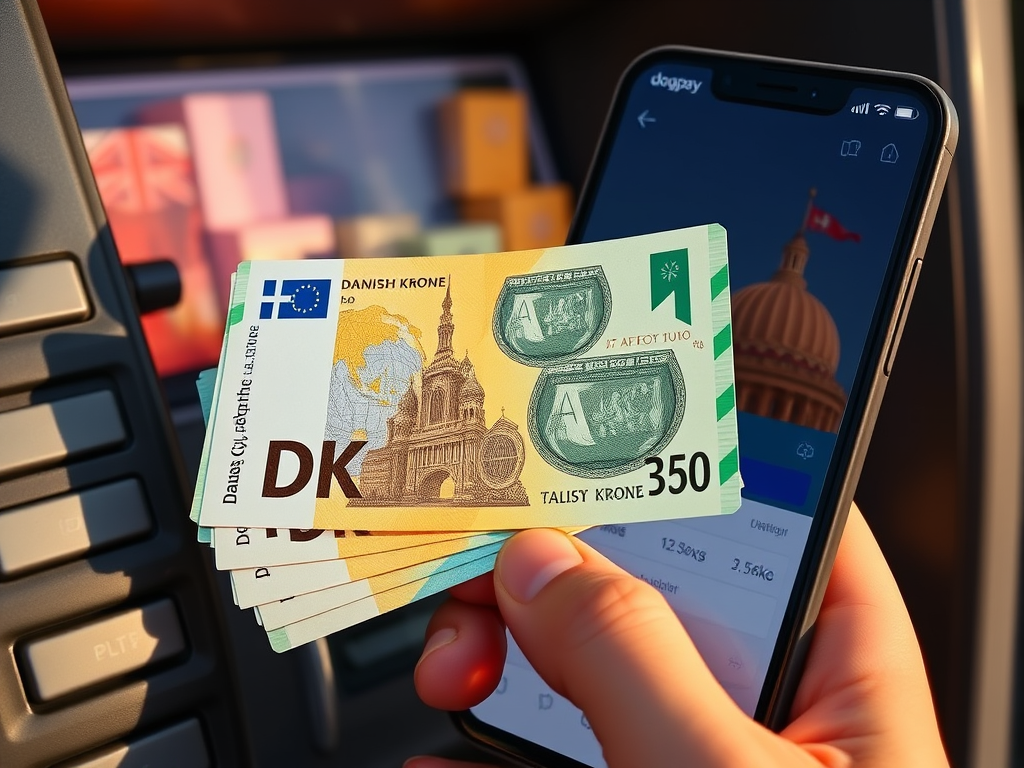
- Denmark’s official currency is the Danish Krone (DKK, symbol “kr”).
- Before exchanging, check the mid-market rate (the benchmark exchange rate) so you can judge how fair the offered rate is.
- Exchange offices at airports or hotels may be very convenient but often offer worse rates or hidden mark-ups.
- Using an ATM to withdraw DKK can be a better option than cash exchange. If using a foreign card, ensure you’re being charged in DKK (not converting into home currency at the machine) to avoid poor rates.
How dogpay Can Assist
While dogpay is not a physical currency-exchange desk, it can support your travel funds strategy in Copenhagen:
- If you hold funds in another currency (USD, EUR, etc.) and will need DKK in Copenhagen, you can use dogpay to convert or transfer funds ahead of arrival, so you rely less on impulse or high-cost onsite exchange.
- For smaller or unexpected payments (hotel deposits, service fees, transport) where you might otherwise scramble for cash or local exchange, dogpay offers a more transparent alternative.
- If you manage multiple currencies and want more control over when and how you convert (for example USD → DKK), dogpay gives you more flexibility and may reduce losses from unfavorable spot issues.
Key Takeaways
- Compare live rates, check hidden fees, and avoid assuming every “no commission” offer is good.
- Prefer using reputable banks/ATMs for withdrawals rather than random city-centre exchange counters.
- Incorporate dogpay (or a comparable tool) into your funds planning: pre-convert when possible, reduce last-minute conversions, improve transparency.