If you’re planning travel, relocation, or handling finances involving Colombia, it’s helpful to understand how the banking and currency system works there. Here’s a streamlined guide — including how dogpay might assist with your cross-border money flows.
1. Currency & Basic Facts
- The official currency is the Colombian Peso (COP).
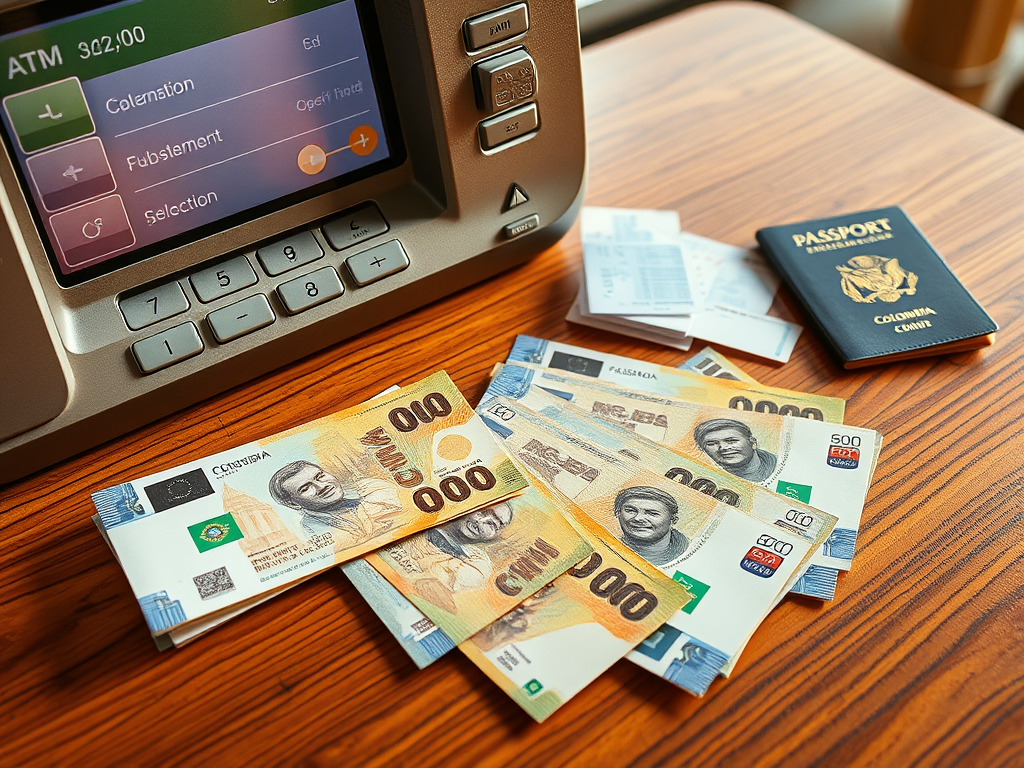
- Common banknotes: 1,000; 2,000; 5,000; 10,000; 20,000; 50,000; 100,000 COP. Coins: 50; 100; 200; 500; 1,000 COP.
2. Using Banks, ATMs & Payments
- Many banks in Colombia do not offer currency exchange services for large quantities of foreign cash; instead ATMs are often the better choice to withdraw local currency.
- ATM usage: Foreign cards can work, but you’ll face ATM fees + currency conversion costs.
- Cash remains widely used in Colombia: although digital payments are growing, a large percentage of transactions are still cash-based.
3. For Expats or Cross-Border Money Considerations
- Opening a bank account as a foreigner is possible, but banks have requirements (documentation, tax registration, residency/visa status).
- For transferring funds into/from Colombia, checking fees, regulatory restrictions and conversion rates is important.
4. How dogpay Can Help
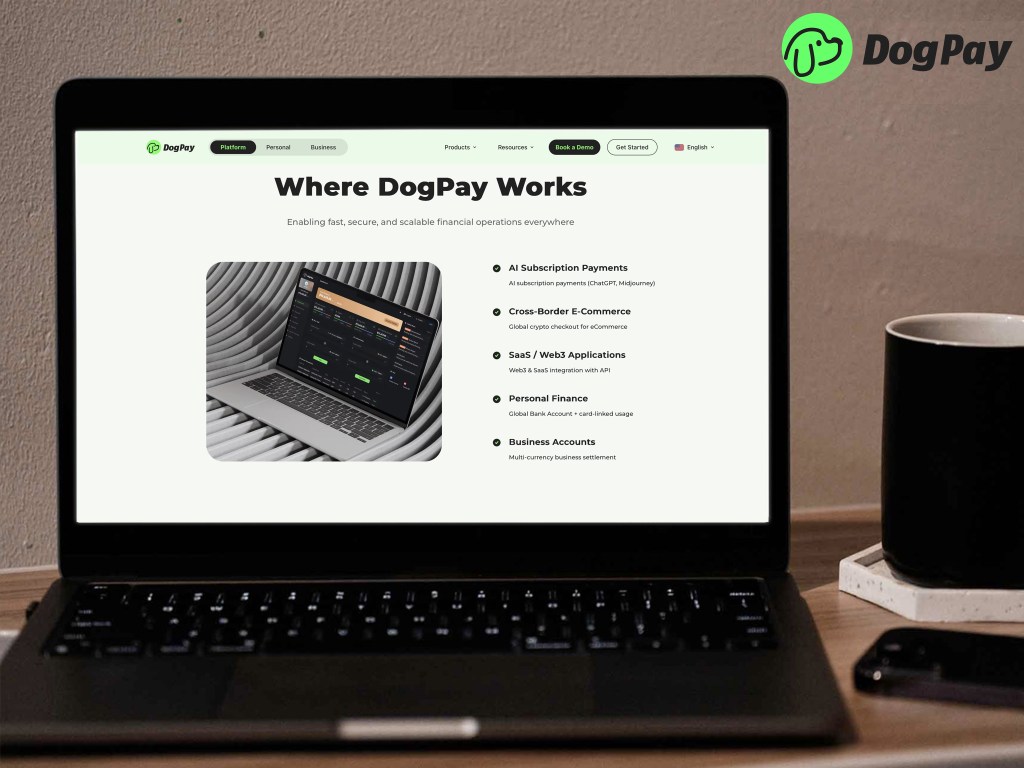
While dogpay isn’t a Colombian bank, it can be a helpful tool in your funds strategy:
- Pre-convert or transfer funds ahead of your travel or move: if you hold non-COP currency (USD, EUR etc.), you might use dogpay to convert/send to a Colombian account or prepare funds, reducing reliance on high-fee on-the-ground ATMs.
- Handle small or unexpected payments: if you arrive and need money for deposits, emergency travel costs or local services, dogpay provides another channel rather than only cash/ATM.
- Manage multiple currencies/convert thoughtfully: If you hold several currencies and will use COP, dogpay can give you more control over when and how much you convert — potentially reducing losses from last-minute or high-markup conversions.
5. Key Takeaways
- Familiarise yourself with the Colombian peso (COP) and typical denominations.
- Use ATMs carefully: check your bank’s foreign-transaction/ATM fee, ensure you’re charged in COP to avoid hidden mark-ups.
- Prepare your funds before travel/move and consider combining local banking + a tool like dogpay for smoother cross-border money flows.