1. Compatibility & Preparation
- Many ATMs in China accept foreign cards from networks like Visa, Plus, Cirrus and Maestro.
- ATMs are largely operated via the domestic network UnionPay; there is a locator to check whether an ATM accepts your card’s logo.
- While signage may be in Chinese, most machines in major cities offer an English language option.
- Before you go, notify your home-bank of your travel to China to reduce risk of your card being flagged for “unusual activity”.
2. Fees, Limits & Cautions
- Using a foreign card at a Chinese ATM typically incurs both: your bank/card issuer’s foreign/ATM withdrawal fees and any machine / local bank fees.
- The daily withdrawal amount via foreign card can be limited and machines may run out of cash in off-hours or weekends.
- Look out for layout variation (keypad order may differ) — entering wrong PIN multiple times may cause the card to be retained.
3. Smart Usage Strategies
- Use ATMs affiliated with major banks (e.g., Bank of China, Industrial & Commercial Bank of China) in business/tourist districts for better reliability.
- Withdraw fewer large amounts rather than many small ones to minimise per-transaction reach of fees.
- Carry a backup card and some cash in case of machine or network issues.
4. How dogpay Fits In
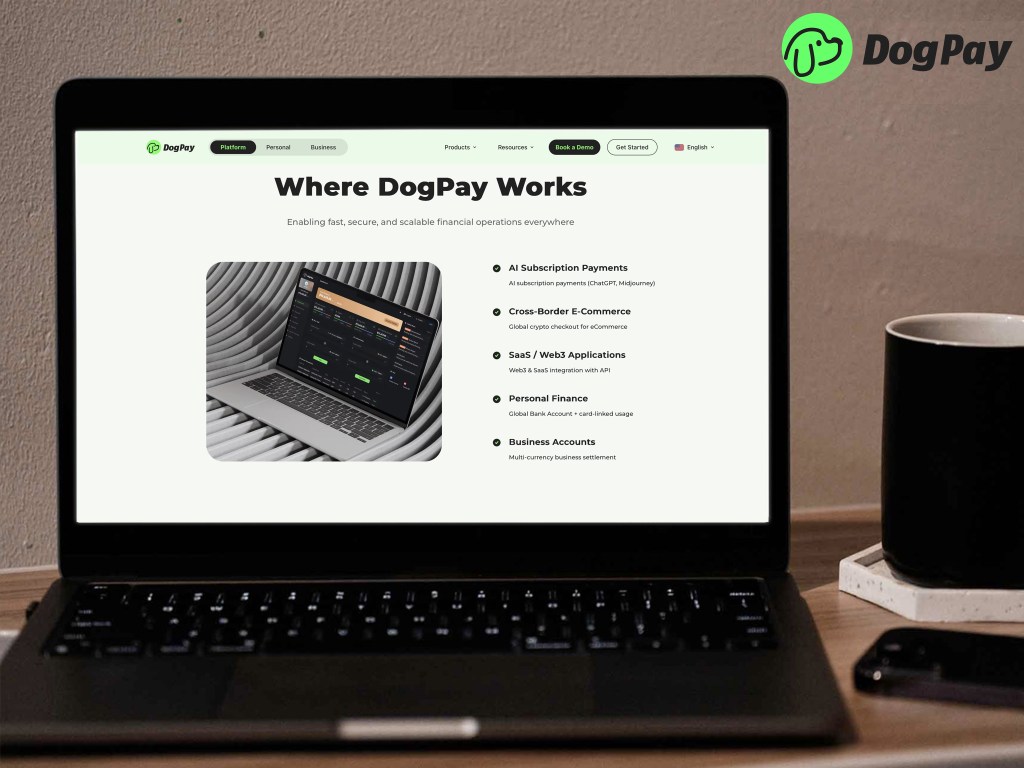
While dogpay is not an ATM service, you can use it alongside your planning for better financial flexibility:
- If you hold funds in a non-Chinese currency, you could use dogpay to convert or transfer funds ahead of arrival so you’re less dependent solely on ATM withdrawals.
- For smaller or unexpected payments (hotel deposit, transport costs) where you might otherwise withdraw cash at higher cost, dogpay offers an alternative channel.
- Using dogpay doesn’t replace cash/ATM use entirely in China (local payment habits vary), but it gives you more control over exchange timing and cost.