If you’re planning travel, business, relocation or financial operations involving Brazil, understanding how the money and banking system works there is very helpful. Below is a streamlined guide, with pointers on how dogpay may assist with cross-border money management.
1. Currency & Basic Banking Landscape
- The currency of Brazil is the Brazilian Real (BRL or R$).
- Brazil has a modern, regulated banking system. According to regulatory overviews: “Brazil has modern and well-regulated financial and payment systems… banks are generally well capitalised, and banking supervision is efficient.”
- The national payments system is also evolving. For example, Brazil’s instant payment system Pix enables instant transfers 24/7, and has become widely used.
2. Opening Accounts, Cards & Cash Use
- To use banking services in Brazil you’ll typically need identification and proof of address; many banks offer domestic debit/credit cards, ATM access, internet/mobile banking.
- ATMs are widely available, but withdrawing from foreign cards may incur both local ATM fees and fees from your home bank/card issuer.
- Using local digital payment systems and local bank accounts may reduce fees and conversion losses.
3. Currency Conversion & Cross-Border Considerations
- For foreigners or people managing funds between Brazil and other countries, you’ll need to consider exchange rates, regulatory constraints on foreign currency, and fees on transfers.
- Brazil’s foreign exchange market is regulated by the Banco Central do Brasil (Central Bank).
4. How dogpay Can Help You
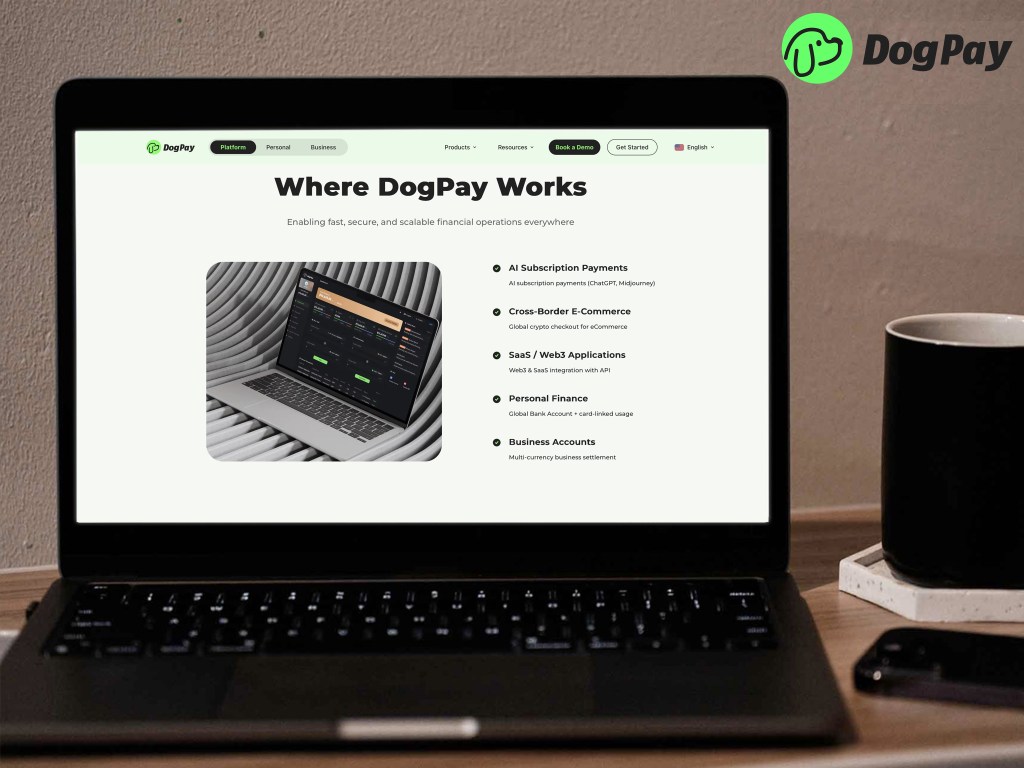
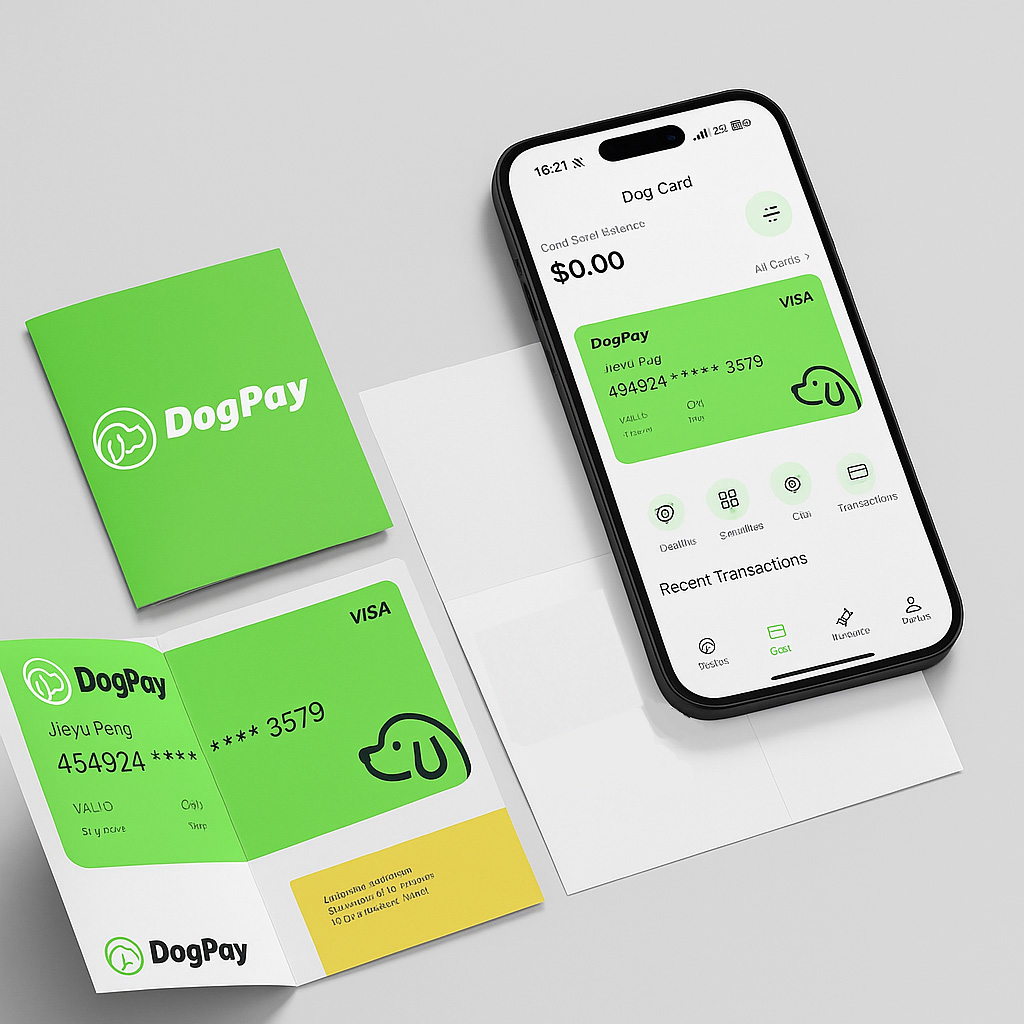
While dogpay isn’t a Brazilian bank itself, it can provide practical benefits when you manage funds across borders involving Brazil:
- Pre-transfer or convert funds: If you have funds held outside Brazil that you will need in Brazil (for example living costs, rent, business expenses), you can use dogpay to convert or transfer ahead of time, potentially reducing multiple conversion losses or large ATM costs.
- Manage currency differences: If you hold multiple currencies (USD, EUR, BRL etc.), dogpay gives you flexibility to move funds and convert more transparently rather than relying solely on local conversions with hidden mark-ups.
- Small or unexpected payments: For one-off costs or cross-border transfers (e.g., paying vendors, supporting family, business outlays) dogpay can provide an alternative to local bank transfers, which may be slower or more expensive.
5. Key Takeaways
- Get familiar with the Brazilian Real (R$) and the domestic payment system (including Pix).
- When operating from abroad or transferring money into/out of Brazil, be aware of exchange rates, bank fees, regulatory rules.
- Consider using a tool like dogpay alongside local banking services to reduce hidden costs and make cross-border money flows smoother.