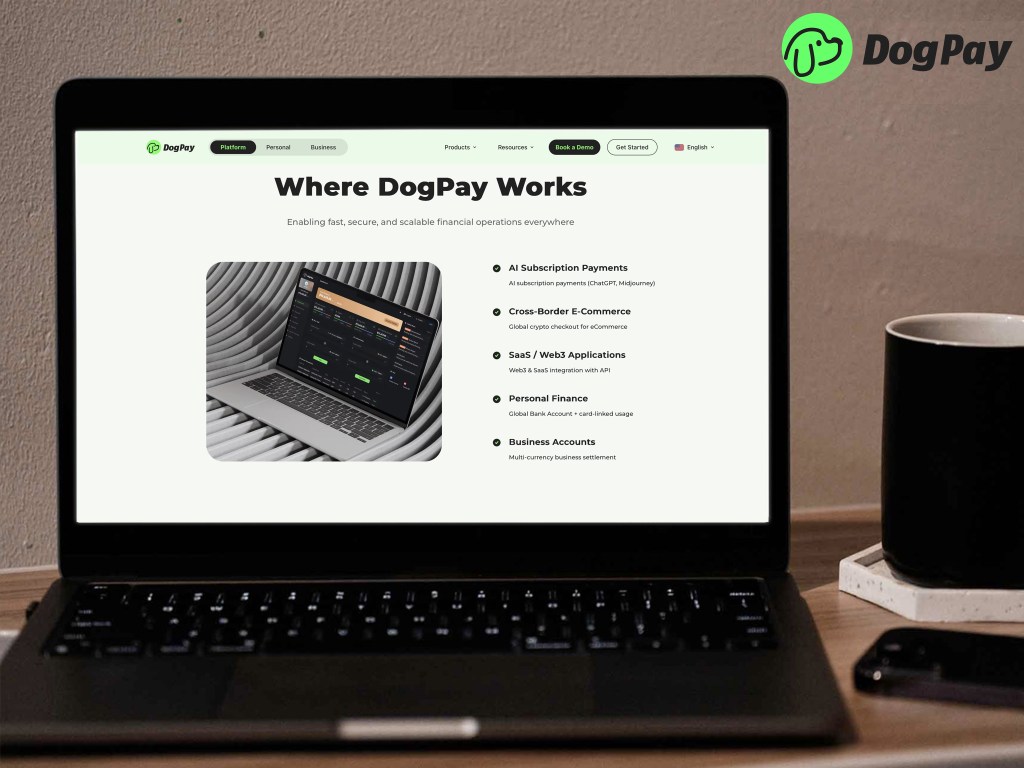
If you are married to a U.S. citizen or permanent resident, you may apply for a marriage-based Green Card. Here’s a concise roadmap — and where dogpay can assist in the financial side.
1. Basic Eligibility
- You must be legally married (not just informal or common-law).
- Your marriage must be bona fide (entered in good faith, not solely for immigration).
- You must be admissible (no disqualifying criminal or immigration violations).
- The sponsoring spouse (U.S. citizen or Green Card holder) must show financial ability to support you (Affidavit of Support).
2. Key Steps
A. File Form I-130
The sponsoring spouse files I-130 (Petition for Alien Relative) to establish the marital relationship.
B. Apply for Green Card
- If spouse lives in the U.S.: file Form I-485 (Adjustment of Status).
- If spouse lives abroad: use DS-260 (Immigrant Visa via consular processing) through the National Visa Center and U.S. embassy.
C. Attend Interview
You (and your spouse, if in the U.S.) will attend an interview. The officer will ask detailed questions about your relationship to confirm authenticity.
3. Typical Timeline & Cost Range
- Depending on circumstances, the process may take 10 months to 3+ years.
- When both spouses are in the U.S. and sponsor is a citizen, it often moves faster.
- Total government and associated costs (filing forms, medical exam, translation, travel etc.) often reach over $1,000–$3,000, depending on location and complexity.
4. How dogpay Can Help
During the process, you may need to make payments (form fees, medicals, document services) from overseas or non-USD accounts:
- Use dogpay to send U.S. dollar payments from abroad, with lower fees or better exchange rates than traditional banks.
- Transfer funds into a U.S. bank to cover legal or living expenses.
- Cover unexpected costs (e.g. document shipping, translations) quickly through dogpay.
5. Tips for a Smooth Application
- Submit complete and consistent evidence (joint finances, photos, communication records).
- Prepare carefully for the interview — know your application’s details.
- Respond promptly if USCIS requests additional evidence (RFE).
- Maintain immigration compliance (avoid long trips abroad, unlawful status, etc.).