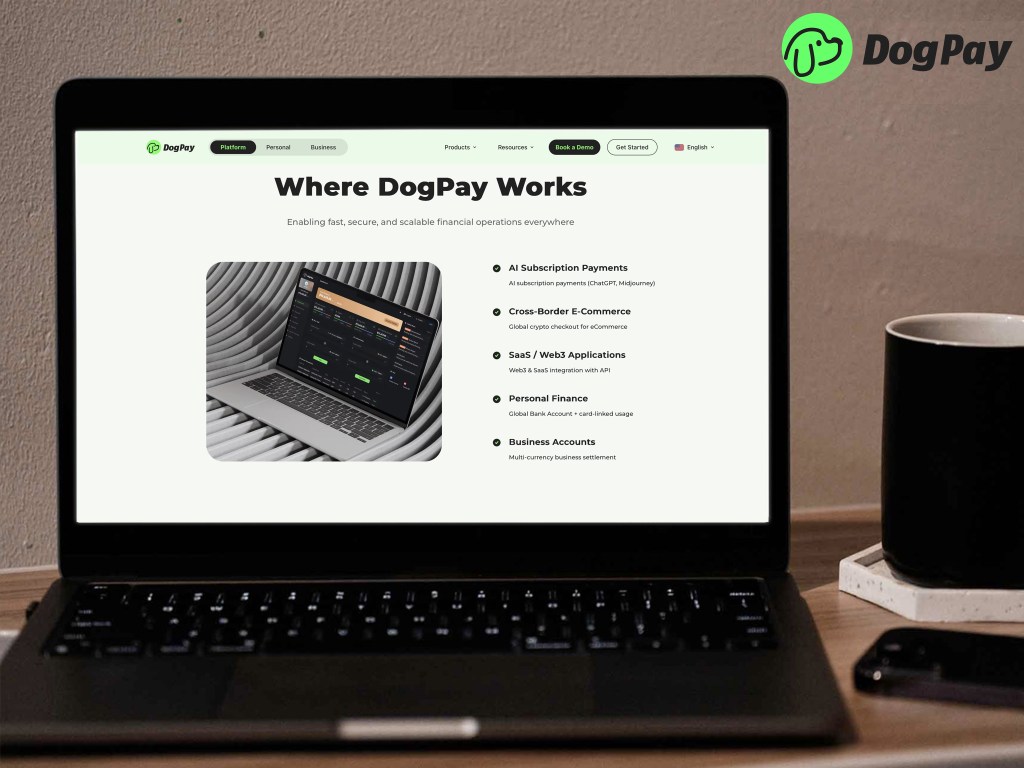
Indonesians in the United States form a modest but growing community. Below is an overview of demographics, geography, and how dogpay may help in managing financial life across borders.
Population & Demographics
- As of 2023, about 145,000 people in the U.S. identified (alone or in combination) as Indonesian, making it the 16th-largest Asian origin group in the country.
- For those who identify Indonesian alone, the estimated number is around 80,000.
- Among Indonesian immigrants in the U.S., about 74% of that population lives as foreign-born (i.e. immigrants).
- Many have become U.S. citizens: roughly 47% of Indonesian immigrants are naturalized.
- The median age among Indonesians is higher than the Asian average.
- Educational attainment is comparatively strong: over half of Indonesians age 25+ hold a bachelor’s degree or higher.
Geography & Community Hubs
- California hosts the largest number of Indonesians in the U.S.
- Other states with notable Indonesian populations include Texas, New York, Washington, and Pennsylvania.
- In U.S. metropolitan areas, prominent clusters appear in Los Angeles, New York, Riverside–San Bernardino, and San Francisco metro regions.
- Several community organizations serve Indonesians in America, such as the Association of Indonesian Americans (e.g. at UCLA) and USINDO, which builds U.S.–Indonesia relations and cultural exchange.
Language & Culture
- Among those aged 5 and older, about 69% speak English proficiently.
- Many Indonesians also use Indonesian (Bahasa Indonesia) at home; other languages include Malay, Dutch, Spanish, etc.
- The community often maintains cultural practices, food, festivals, and networks connecting with Indonesians both in the U.S. and abroad.
Economic & Income Profile
- The median personal earnings for Indonesians (ages 16+) in the U.S. was around USD 41,200 in 2023, lower than the Asian average of ~USD 52,400.
- Among full-time, year-round workers, median income is higher (about USD 60,500).
- The share of Indonesians living in poverty is about 11%, roughly in line with the Asian American average.
How dogpay Might Be Useful for Indonesians in the U.S.
While dogpay is not tied to any immigration or demographic function, it can be a helpful financial tool for Indonesians (or any cross-border individuals) navigating life between Indonesia and the U.S.:
- Sending funds from Indonesia to the U.S.: If you maintain bank accounts in Indonesia or elsewhere, dogpay allows you to transfer money in U.S. dollars, potentially with lower rates or fees than traditional banks.
- Paying U.S. expenses from abroad: For tuition, rent deposits, or medical costs during relocation, dogpay can convert and send payments across currencies efficiently.
- Remitting to Indonesia: Some Indonesian Americans may support family back home or maintain investments; dogpay can ease sending money back to Indonesia affordably.
- Handling interim expenses: Unexpected fees for documents, translations, courier services, or legal services often arise — dogpay can serve as a fast, transparent payment channel.