Becoming a U.S. citizen is one of the most important milestones for many immigrants. The process, known as naturalization, involves meeting eligibility criteria, submitting forms, paying fees, and passing several exams.
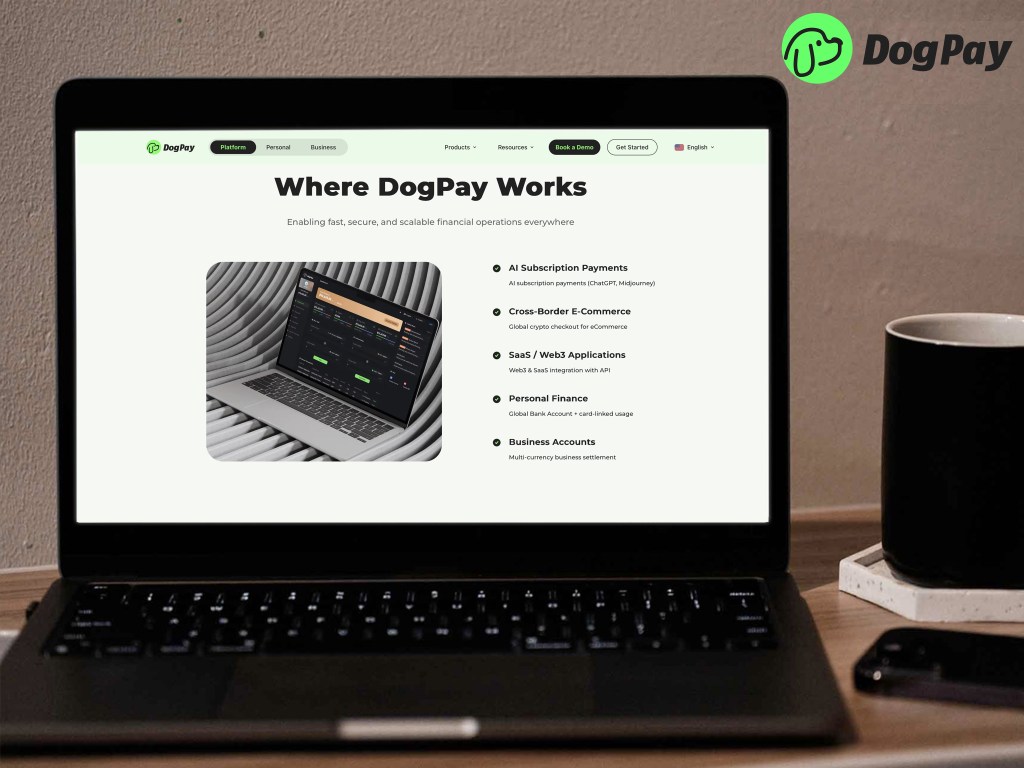
Below, we’ll go through each step — and show where a platform like dogpay can help you manage payments and international transfers during the process.
1. Understanding Naturalization and Eligibility
Naturalization is the legal process through which non-U.S. citizens become American citizens.
You can become a citizen through several paths:
- Being born in the United States
- Acquiring citizenship through your parents at birth
- Automatically gaining citizenship if your parents naturalize before you turn 18
- Applying for naturalization as a permanent resident (Green Card holder)
For most immigrants, that last option — naturalization — is the main route.
Typical eligibility categories include:
- Permanent residents (5-year rule): Lived in the U.S. for at least five years as a Green Card holder.
- Married to a U.S. citizen (3-year rule): Married to a U.S. citizen and living together in marital union for at least three years.
- Military service members: Certain military personnel can qualify through special provisions.
- Wartime service members: May apply for expedited or immediate citizenship.
Applicants must be at least 18 years old when filing.
2. Main Requirements for Naturalization
Even if you meet one of the above categories, you must also satisfy key conditions:
- Age: At least 18 at the time of filing.
- Continuous residence:
- Must have lived in the U.S. for the required years (3 or 5).
- Must not have taken trips outside the U.S. longer than six months during that period.
- Must have lived in the same state or district for at least three months before filing.
- Good moral character: No serious crimes, no fraud, and no false statements in applications.
- Language and civics tests:
- Demonstrate English reading, writing, and speaking ability.
- Pass a U.S. history and government test.
- Interview and verification: Conducted by a USCIS officer.
- Oath of Allegiance: After approval, applicants attend a ceremony and officially swear allegiance to the United States.
3. The Step-by-Step Process
Here’s how the naturalization process typically works:
- Check if you’re already a U.S. citizen (some people automatically qualify).
- Confirm your eligibility category (5-year, 3-year, or military).
- Complete and submit Form N-400 (Application for Naturalization).
- Pay the application and biometric fees.
- Attend your biometrics appointment (fingerprinting, if required).
- Attend your USCIS interview and take the tests.
- Receive a decision: approved, continued, or denied.
- Take the Oath of Allegiance and become a U.S. citizen.
4. Documents You’ll Need
Typical documents include:
- Completed and signed Form N-400
- A copy of your Green Card (front and back)
- Payment receipts or proof of fee payment
- Passport-style photos (if required)
- Supporting evidence such as marriage certificates, tax returns, and proof of residence
Additional documents may be requested depending on your situation.
5. Timeline and Costs
- The overall naturalization journey often takes 5 to 7 years from permanent residency to final citizenship.
- The USCIS processing stage alone can take around 12 months.
- The current standard fee is about $725, which includes both the application and biometric fees.
- Some applicants (e.g., military members, low-income individuals, seniors) may qualify for reduced or waived fees.
6. Using
dogpay
for Payments and Transfers During the Process
While the citizenship application itself happens through government systems, dogpay can play a helpful supporting role when you need to handle payments or money transfers, especially if your funds are held abroad.
Here are a few examples:
- Paying the N-400 and biometric fees: If you’re abroad or using a non-USD account, you can use dogpay to send money securely in U.S. dollars. It helps avoid high SWIFT fees and hidden exchange markups charged by traditional banks.
- Funding a U.S. account: When you move or prepare to apply, you might transfer savings from your home country to a U.S. account to cover living or legal expenses. dogpay offers fast cross-border transfers at transparent rates.
- For family assistance: If relatives abroad are helping you financially during the process, dogpay enables quick person-to-person transfers without unnecessary delays.
In this context, dogpay is not part of the U.S. government system — it’s simply an example of a modern payment solution that can simplify your financial logistics during the citizenship process.
7. Key Takeaways
Becoming a U.S. citizen is a meaningful but detailed process that involves:
- Verifying eligibility
- Preparing documents
- Paying the correct fees
- Passing the English and civics exams
- Attending the oath ceremony
While you focus on fulfilling the legal and personal requirements, tools like dogpay can ease the financial side of your journey — ensuring your payments, fees, and transfers go through quickly, securely, and at lower cost.