Did you know there are over 580,000 people in the U.S. born in Germany? Germany-born residents in America have their own unique patterns, preferences, and adjustments. Below is a brief look — plus how dogpay might help with money matters as a German expat.
1. Distribution & Demographics
- Many Germans in the U.S. settle in major metro areas, with New York being one of the top hubs.
- Interestingly, smaller communities also host Germans—e.g. in Lawton, Oklahoma, whose local military connections make it a surprising spot.
- As immigrants adapt, their tastes often shift to local culture — for example, shopping at Walmart rather than German chains like Aldi.
2. Cultural Preferences & Adaptation
- Germans living in the U.S. often keep some cultural ties, like maintaining a preference for German car brands over American ones (BMW vs Ford).
- But in other aspects, they adapt — from snack choices to beverage preferences, reflecting a blending of “home and new home” identity.
3. How dogpay Can Help German Expats
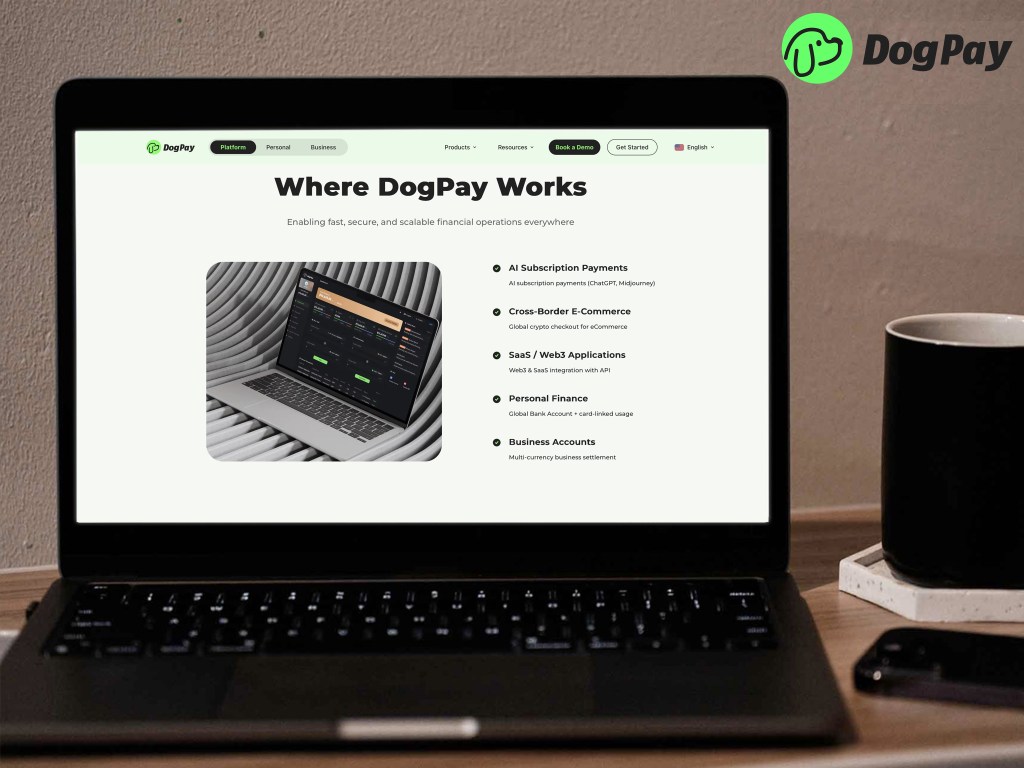
For Germans living in the U.S. — especially those who still deal with finances in Germany or other countries — dogpay can serve as a helpful cross-border financial tool. Here’s how:
- Sending funds from Germany to the U.S.: If you maintain bank accounts in Germany (or Europe), dogpay lets you transfer money to your U.S. account in USD, often with lower fees than traditional bank transfers.
- Paying German bills or maintaining accounts: You may need to send money back to Germany periodically (for property, utilities, or tax obligations). dogpay offers a way to route funds internationally efficiently.
- Converting currencies on demand: When moving money between EUR and USD, dogpay can provide transparent rates and help avoid hidden currency markups.
- Managing dual-country financial life: For Germans who travel back and forth or have assets in both countries, dogpay can streamline regular money flows and reduce friction.