What Is the K-1 Visa?
The K-1 visa is a nonimmigrant visa that allows the foreign fiancé(e) of a U.S. citizen to come to the United States with the intent to marry within 90 days of arrival.
Once the marriage takes place, the foreign spouse may apply for adjustment of status (i.e. a U.S. Green Card) without needing to leave the U.S.
Children of the fiancé(e) (if under 21 and unmarried) may accompany under K-2 classification.
Eligibility & Requirements
To be eligible for a K-1 visa, certain conditions must be met:
- The petitioner must be a U.S. citizen (green card holders cannot sponsor K-1).
- Both parties must be legally free to marry (i.e. previous marriages terminated).
- The couple must have met in person at least once within the past two years prior to filing Form I-129F.
- There needs to be a valid intention to marry within 90 days of the fiancé(e) entering the U.S. under K-1 status.
- The U.S. sponsor must meet income requirements (often at or above the poverty guideline) or use a joint sponsor where needed.
Application Process
Here’s a simplified breakdown of the steps to apply for a K-1 visa:
- File Form I-129F (Petition for Alien Fiancé(e)) The U.S. citizen petitioner files this with USCIS to begin the process.
- USCIS Adjudication & Forwarding If USCIS approves I-129F, the petition is forwarded to the Department of State and then the National Visa Center (NVC) and to the consulate / embassy where the fiancé(e) lives.
- Consular or Embassy Processing & Interview The fiancé(e) applies at the U.S. consulate / embassy for the K-1 visa, submits required documents (medical exam, police certificates, proof of relationship, etc.), and attends interview.
- Entry & Marriage Once visa is approved, the fiancé(e) travels to the U.S. and must marry the U.S. citizen sponsor within 90 days.
- Adjust Status to Permanent Resident After marriage, the foreign spouse can file Form I-485 to adjust status and become a lawful permanent resident (Green Card).
If the marriage does not take place within 90 days, the K-1 status usually cannot be extended, and the fiancé(e) must depart the U.S.
Timeline & Costs (Estimates)
- The processing of I-129F can take 9–12 months or more, depending on USCIS workloads.
- There are multiple fees: petition filing, visa processing, medical exams, translation, courier, and adjustment of status (after marriage) costs.
- The total cost often goes beyond just government application fees due to associated service fees, document preparation, and related expenses.
How Dogpay Can Add Value in the K-1 Visa Journey
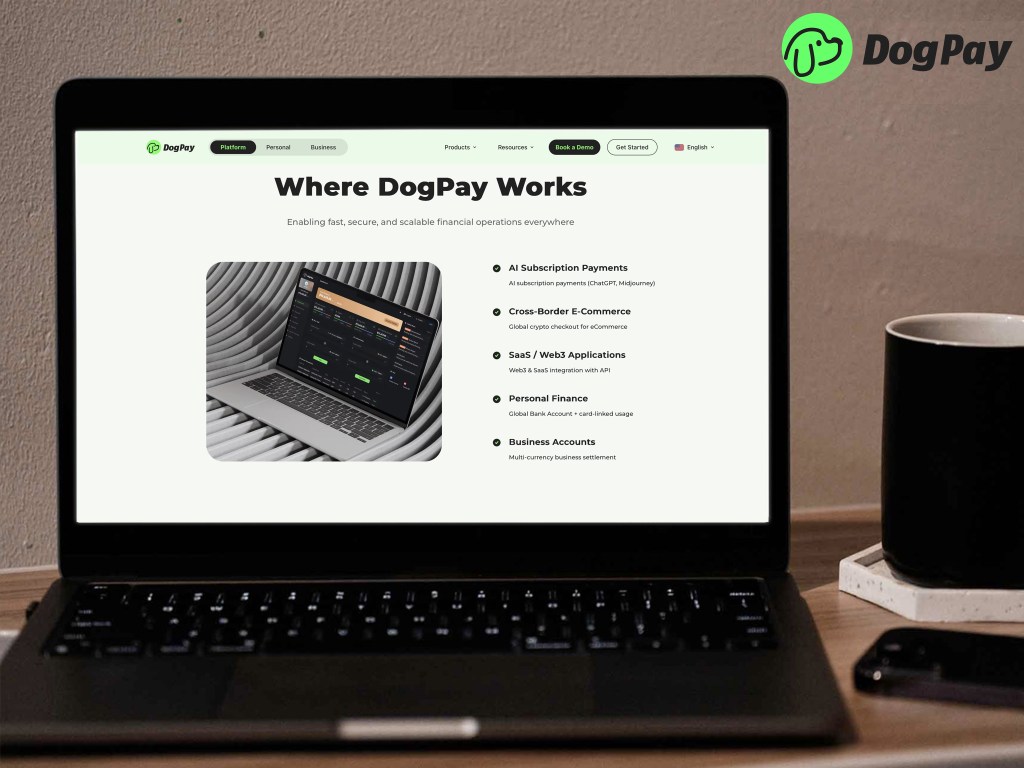
Because the K-1 visa path involves multiple payments—petition filing, translation, medicals, consular fees, adjustment of status—Dogpay can help by:
- Cross-border payments of fees If you or your sponsor are based abroad, Dogpay can convert local currency to USD (or other required currency) and pay the petition, visa, or USCIS fees securely.
- Payment to service providers Translation agencies, medical clinics, legal/immigration consultants, document couriers—Dogpay lets you pay them across regions with transaction transparency.
- Receipts & documentation Every Dogpay transaction provides a timestamped receipt and exportable logs, which can be used as proof in your immigration file.
- Recurring or staged payments You can schedule portions of payments for different stages (petitions, document fees, interviews) to manage cash flow more effectively.
- Minimizing hidden transfer costs Dogpay helps reduce exchange rate markups, intermediary bank fees, and hidden transfers, ensuring more of your fund actually reaches the intended recipient.