What Is a Conditional Green Card?
A conditional green card (conditional permanent residence) is a special type of U.S. permanent resident status that is awarded under certain circumstances, typically with a two-year limitation.
Common scenarios include:
- Marriage-based green cards: If your marriage to a U.S. citizen or lawful permanent resident was less than two years old when your permanent residency was granted, you receive a conditional green card valid for two years.
- Investor / Entrepreneur cases (EB-5): Investors who receive their green card through qualifying investments may also initially be granted conditional status, with conditions tied to continued investment performance/job creation over two years.
During those two years, conditional residents enjoy many of the same rights as non-conditional permanent residents: the ability to live in the U.S., work, travel, and count that time toward naturalization (once conditions are removed).
Removing the Conditions (Becoming a Full Permanent Resident)
To convert conditional status into a permanent 10-year green card, you must remove the conditions before your card expires.
Key steps & rules:
- File the correct petition - For marriage-based cases: file Form I-751, Petition to Remove Conditions on Residence within the 90-day window before the two-year conditional period expires. - For investor/entrepreneur cases: file Form I-829, Petition by Entrepreneur to Remove Conditions.
- Joint filing normally required You and your spouse must usually file jointly. However, there are exceptions (waivers) in cases of divorce, abuse, death, or when the marriage was entered in good faith but later ended.
- Submit evidence of a bona fide marriage USCIS expects updated proof that your marriage is real: shared bank accounts, lease or mortgage documents, photos, bills, children, etc.
- Timeline & consequences If you fail to file the petition in the required window, your conditional status can be terminated, you may lose permanent resident status, and removal (deportation) proceedings may begin. In many cases when they file properly, USCIS may extend the validity of the expiring card while I-751 / I-829 is pending.
Why the U.S. Uses Conditional Green Cards
The system of conditional status functions as a safeguard against fraudulent marriages. By granting a two-year probationary period, USCIS gains a second chance to evaluate whether the marriage is genuine and not just an immigration mechanism.
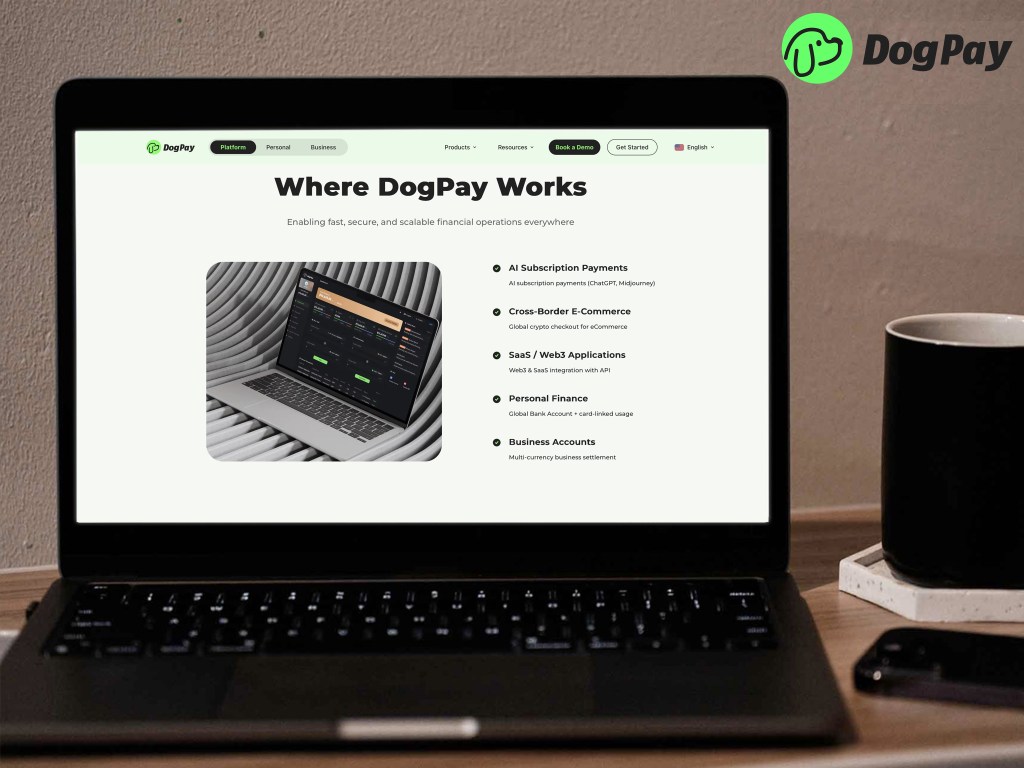
How Dogpay Supports Payments Related to Conditional Status
Although immigration status is legal/administrative, there are multiple payment and service cost points in the conditional-to-permanent journey. That’s where Dogpay adds value:
- Paying USCIS / Filing Fees When submitting Form I-751 or I-829, you can use Dogpay to convert your local currency into USD and pay USCIS or related lockboxes securely, especially if your funds or accounts are held outside the U.S.
- Legal / Attorney / Consulting Service Fees Many people engage immigration attorneys or consultants to help with evidence gathering, waiver requests, or complex cases. Dogpay enables cross-border payment to those professionals, with full receipt and tracking.
- Translation / Document / Notarization / Courier Costs You often need translations of documents, notarization, certified copies, or international courier services. Dogpay lets you pay these vendors reliably and transparently.
- Managing Payment Records & Audit Trail Dogpay generates timestamped receipts and exportable logs. These records help you keep precise documentation for your immigration file or in case USCIS requests proof of payment or documentation.
- Avoiding Hidden FX / Transfer Fees Traditional international bank wires or overseas payments often include unseen markups or middle-bank fees. Dogpay helps minimize those losses, so more of your money goes to the intended service.