Structure & Key Features of the Thai Education System
Thailand’s education system is structured into multiple stages, combining public, private, and international schooling options. (trade.gov)
- Pre-Primary / Early Childhood Education Preschool and kindergarten (ages ~3–5) are offered but not mandatory. Many children attend these years to prepare for formal schooling. (expatica.com)
- Basic / Compulsory Education (12 Years Free Basic Education) Thailand constitution guarantees 12 years of free basic education, including 6 years of primary (Prathom 1–6) and 6 years of secondary (Matthayom 1–6). However, compulsory schooling legally covers 9 years (Prathom + lower secondary) in practice. (expatica.com) Primary education: ages ~6–11. Lower secondary (Matthayom 1–3): ages ~12–14. Upper secondary (Matthayom 4–6): ages ~15–17; students may choose academic or vocational tracks. (expatica.com)
- Vocational / Technical Education At upper secondary level, students often select vocational/technical education paths. These programs provide certificates / diplomas and are aimed at equipping students with skills for employment. (education in Thailand PDF)
- Higher Education Universities, colleges, and institutes offering bachelor’s, master’s, and doctoral degrees. Both public and private institutions exist. (trade.gov) Many institutions run English-medium or international programs to attract both Thai and foreign students.
- Public / Private / International School Options Public (state) schools serve most Thai students and follow national curriculum. Private schools often offer more flexibility, facilities, and alternative curricula. International schools use foreign curricula (e.g. IB, British, American) and are popular among expat families. (trade.gov)
- Challenges & Inequalities Educational attainment differs by region (urban vs rural), by socio-economic status, and access to quality resources. Some minority / remote areas face shortages of qualified teachers or infrastructure. (wiki, Education in Thailand)
How Dogpay Helps in Education & Payment Scenarios in Thailand
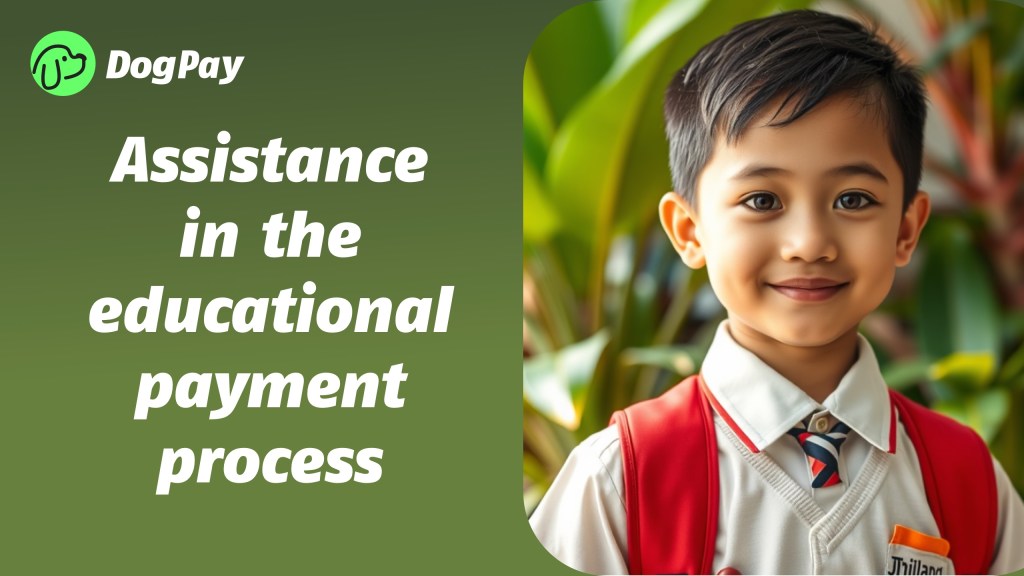
When you or your family engage with the Thai education system—particularly in private or international schools, overseas tuition, material costs, or schooling-related services—Dogpay can bring practical advantages:
- Tuition & Fee Payments from Abroad If your home bank account or income is outside Thailand, Dogpay lets you remit school fees (in THB or foreign currency) with transparent exchange rates and fee breakdowns. You avoid hidden markups or intermediary costs.
- Payment of Application / Entrance / Exam Fees Many international or private schools require application fees, entrance exam charges, or registration deposits. Dogpay enables smooth cross-border transfers for these purposes.
- Recurring Semester / Yearly Payments You can schedule or automate recurring tuition, boarding, or program fees through Dogpay—reducing risk of missed or delayed payments.
- Payments for Educational Supplies, Books, Technology If books, lab equipment, or tech (laptops, tablets) must be imported or bought through foreign vendors, Dogpay helps you pay them reliably from abroad.
- Payments for Extracurricular / Specialized Programs Extra classes, international trips, summer programs often require payments in foreign currency; Dogpay helps manage those.
- Receipts, Audit Trail & Documentation Dogpay provides timestamped transaction logs, exportable receipts, and detailed records—helpful for visa, scholarship applications, tax filings, or auditing.
- Reducing Hidden FX & Bank Costs Traditional cross-border bank transfers typically carry hidden fees or poor exchange spreads (“leakage”). Dogpay reduces those inefficiencies, so more of your funds reach intended educational payments.