Overview
Renting in Switzerland is competitive and carries distinct rules, especially across cantons. Around 58% of Swiss residents rent their homes. Because demand often outpaces supply, good preparation and documentation are key.
Here’s a step-by-step breakdown of how the rental process typically works in Switzerland, plus where Dogpay can assist in financial / payment steps.
Rental Process: Key Steps & What to Watch Out For
| Step | Description / Details |
|---|---|
| 1. Search / Listing Discovery | Use Swiss property portals like ImmoScout24, HomeGate, Comparis, NewHome. Register with local real estate agents; often properties are rented off-market to their internal lists. |
| 2. Arrange Viewings & Inspect | Visit properties in person if possible. Check condition, appliances, insulation, windows, common areas. Ask what is included (kitchen appliances, light fixtures, etc.). |
| 3. Application & Documentation | Complete the application form. Landlord / agent will ask for: • Passport / ID • Residence permit (if applicable) • Proof of income or employment contract • Debt record / collection registry extract (e.g. Betreibungsauszug / Auszug aus dem Betreibungsregister) • References • Duration of stay • Other personal data (marital status, children) |
| 4. Signing Lease / Contract | Written leases are standard (though not legally mandatory, they are highly recommended). The contract should specify: – Parties (tenant / landlord) – Property & inclusions – Term (fixed or open) – Rent amount & due date – Additional charges / utilities – Notice periods – House rules, subletting rules – Deposit conditions – Condition inventory at move-in |
| 5. Deposit & Initial Payments | Deposit can be up to three months’ rent, held in a sealed bank account under the tenant’s name (blocked until lease ends). Rent may also include “additional charges” or “supplementary costs” (heating, water, common area maintenance). |
| 6. Move-In Inspection / Inventory | Before moving in, jointly inspect the property with the landlord, document existing damages, and sign an inventory sheet (often called “protokoll”). Keep your own photos. |
| 7. Utilities & Setup | Some utilities (electricity, gas) may need to be transferred to your name. Others (water, heating, communal costs) may be included in supplementary charges. Landlord should issue annual invoice to show actual vs prepaid costs. |
| 8. Termination / Move-Out | Provide written notice according to contract or statutory rules (commonly 3 months) before termination. If want to leave early, must often find a replacement tenant under same conditions. At move-out, conduct final inspection and reconcile any damages or payments vs deposit. |
| 9. Handling Disputes | If landlord terminates unfairly or rent increase is contested, tenants can appeal via the conciliation authority (Schlichtungsstelle / Autorité de conciliation) in their canton. |
Timeframe tip: In many cities, securing a desirable apartment may take 3 to 6 months.
How Dogpay Helps in the Swiss Rental Payment / Financial Flows
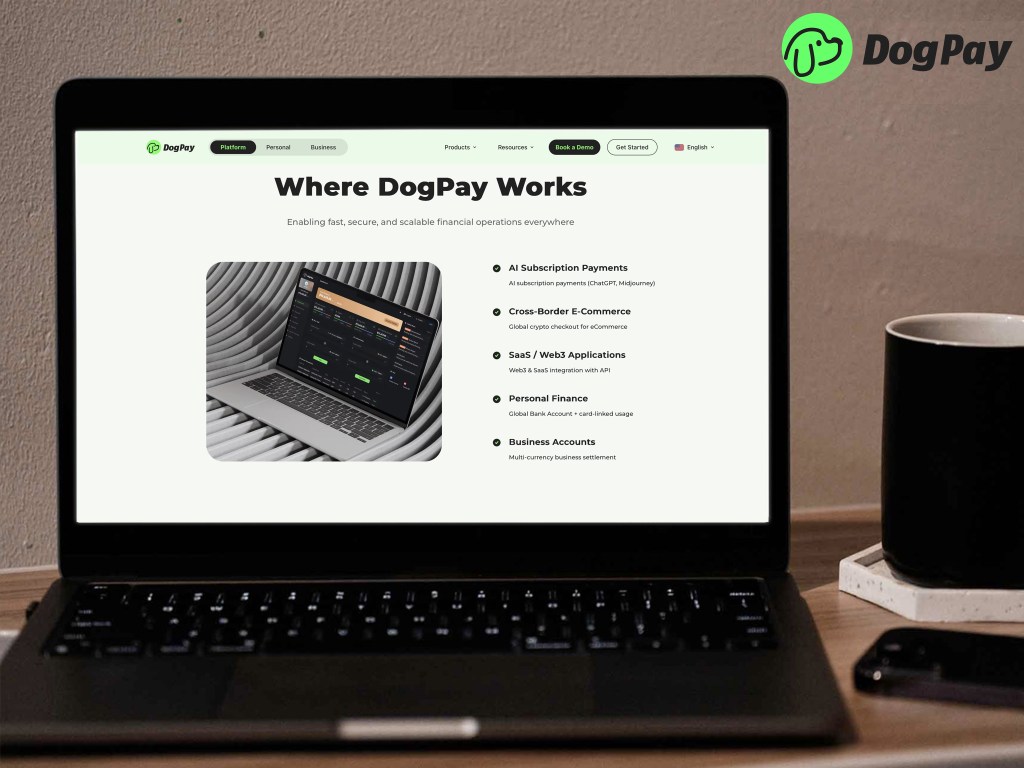
When part or all of your funds, deposit, or rent payments originate from outside Switzerland, Dogpay can significantly ease the process:
- Deposit & First Rent Remittance If you’re paying deposit or first month’s rent from a foreign account, Dogpay ensures the correct CHF amount arrives, with visible exchange rate and minimal hidden fees.
- Ongoing Rent / Maintenance / Utility Payments You can schedule recurring payments via Dogpay to Swiss accounts (landlord / utility / maintenance), reducing the risk of late transfers or bank markups.
- Supplementary Charges / “Additional Costs” Payments When landlords require advance payment for heating, water, common area maintenance, Dogpay can transmit those cross-border payments cleanly.
- Proof / Receipts for Lease Audits Dogpay provides detailed receipts, timestamped logs, and exportable statements, which can support any disputes, reconciliation, or audit.
- Mitigating Hidden Fees & FX Leakage Traditional bank transfers often include intermediary fees or poor currency spreads. Dogpay helps reduce that “leakage,” ensuring more of your money goes to the intended payments.
- Emergency / Last-Minute Transfers If you have to make a quick payment outside Swiss banking hours (e.g., sudden utility or maintenance cost), Dogpay can often execute faster than standard banks.