Overview of Sweden’s Healthcare System
- Universal Coverage & Public Funding Sweden offers universal health coverage to all legal residents, regardless of nationality. Health services are largely tax-funded, with regionally collected taxes and national grants supporting care.
- Decentralised Structure & Regional Responsibility Healthcare provision is decentralized. The 21 regional councils (counties) handle primary care, hospitals, and specialist care. The 290 municipalities manage elder care, disability services, and home care. The national government sets broad policy, guidelines, and oversight through agencies like the National Board of Health and Welfare.
- Service Providers: Public & Private Most services are delivered via public facilities. Private providers do exist, but many operate under contracts with regional councils—thus patients pay similar rates. If a private provider does not contract with the public system, patients may bear the full cost.
- Patient Fees, Caps & Drug Costs Out-of-pocket payments exist, especially for outpatient visits, prescriptions, and dental care. However, user fees are capped annually to protect patients from excessive costs. Prescription drug costs are subsidized; once a patient’s copays reach a threshold, further drug costs are largely covered. Dental care is often excluded from full public coverage and may require separate payment.
- Waiting Times & Care Guarantees (Vårdgaranti) Sweden enforces a care guarantee (Vårdgaranti) to limit delays: see a primary care doctor within 7 days, see a specialist within 90 days, and treatment initiation within an additional 90 days. However, actual waiting times can vary by region, and workforce shortages sometimes stretch access.
- Performance, Challenges & Strengths Sweden ranks high in health outcomes and patient satisfaction. But challenges include fragmentation between regions, coordination issues, and staffing constraints. Public health expenditure accounts for a high share of the system, with about 86% of healthcare costs publicly funded. Healthcare spend is around 10–11% of GDP in Sweden.
How Dogpay Helps in Sweden’s Healthcare / Insurance Payment Scenarios
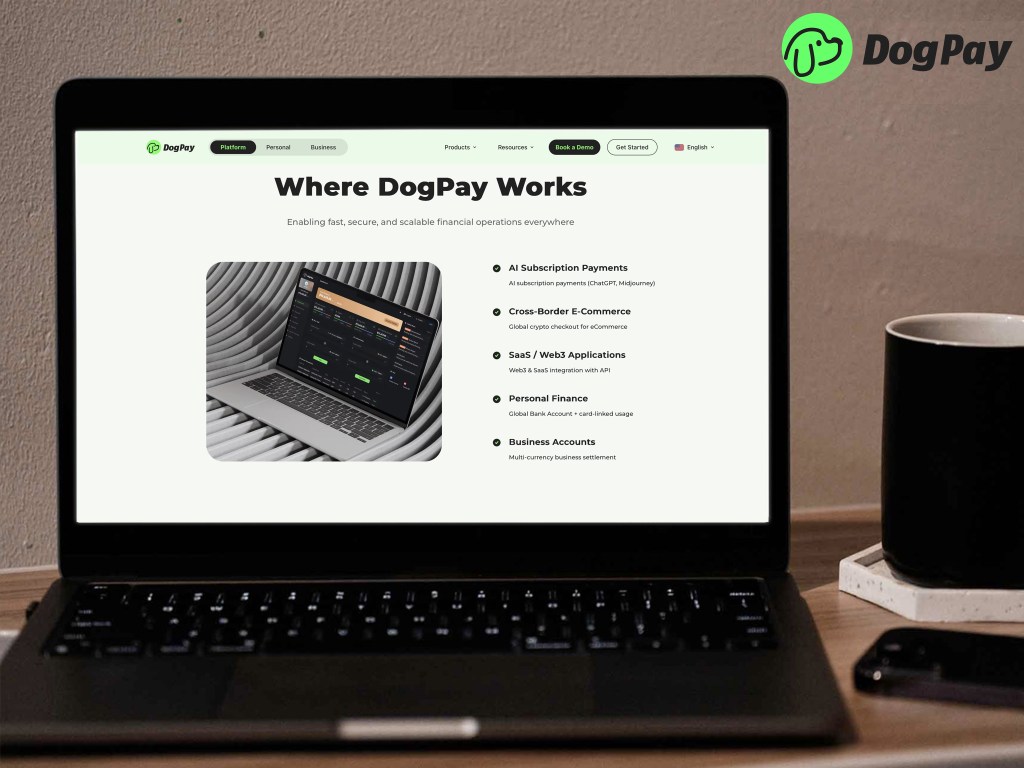
While Sweden’s public system handles many medical services, there are payment points—especially for private services, insurance, or transitional phases—where Dogpay can add distinct value:
- Paying Private Insurance Premiums Transparently If you hold or need supplementary private health insurance (especially before full public eligibility), Dogpay lets you remit premiums in foreign currency or from abroad with transparent fees and exchange rates.
- Covering Out-of-Pocket / Private Clinic Costs When using private clinics, elective services, or treatments not fully covered by the public system, Dogpay helps you pay the bills cleanly and efficiently.
- Prescription & Medical Supply Payments For imported medications, supplements, or devices not covered, Dogpay lets you pay suppliers abroad reliably.
- Payment during Transition Periods Especially when newly arrived and not yet fully enrolled in the public system, you may rely on private services. Dogpay supports those interim payments seamlessly.
- Receipts & Audit Trail for Reimbursements / Claims When you need to submit claims or reimbursement requests, Dogpay provides exportable transaction logs, timestamps, and detailed receipts to support your documentation.
- Reducing Hidden Transfer Costs Traditional cross-border transfers carry markup, intermediary fees, or unfavorable FX. Dogpay helps reduce this “leakage,” so more of your money goes toward actual care or insurance costs.