Why Retire in Thailand?
Thailand is often ranked among the top retirement destinations because of its warm climate, rich culture, high quality of life, and relatively low cost of living.
With a modest monthly budget, retirees can live comfortably depending on location (Bangkok, Chiang Mai, coastal towns, etc.).
Key Retirement Visa Types & Requirements
| Visa Type | Duration / Renewal | Main Requirements* | Notes |
|---|---|---|---|
| Non-Immigrant O-A (Retirement Visa, long stay) | 1 year, renewable | • Age ≥ 50 • Bank deposit: THB 800,000 held for at least 2 months before application, or monthly income ≥ THB 65,000, or combination that totals eligibility • Health insurance meeting minimum coverage (inpatient / outpatient) | Application often via Thai embassy / consulate or extension in Thailand |
| Long-Term Resident / O-X / Enhanced Retiree Options | 5–10 years or more | Higher financial thresholds (e.g. THB 3,000,000 deposit or defined income + assets) in some newer visa models | Some programs relax the need for 90-day reporting or offer more stability |
* Additional common requirements: valid passport, medical certificate, police clearance, proof of address in Thailand, etc.
Also note: visa holders must often report their address every 90 days to immigration offices.
Cost of Living & Monthly Budget Estimate
Here’s a rough budget for retirees in Thailand, depending on lifestyle and city:
| Expense Category | Estimated Range* |
|---|---|
| Housing / Rent (1BR in city) | USD 400 – 1,000 (or more in prime areas) |
| Utilities & Internet | THB ~2,500 – 10,500 (USD 75 – 300) depending on usage & property size |
| Food & Dining | Local meals are very affordable; mix of street + grocery + occasional Western food |
| Healthcare / Insurance | Private health insurance may cost THB several thousand monthly depending on coverage |
| Transport & Mobility | Public transport, scooters, occasional taxis or rideshares |
| Miscellaneous / Travel | Entertainment, domestic travel, shopping, visa renewals, household maintenance |
* These are estimates; real costs depend heavily on location, property quality, and personal habits.
Many guides suggest that a monthly budget of USD 1,500 to USD 2,000 can support a comfortable retiree lifestyle outside ultra-luxury areas.
Healthcare & Insurance
- Expatriates generally cannot access Thailand’s public universal health scheme unless employed under social security.
- Most retirees opt for private health insurance to ensure access to quality care, hospitals with English support, and reduced waiting times.
- Insurance policies typically cover inpatient, outpatient, sometimes dental, evacuation, etc.
- Always check that your policy meets visa health insurance minimums (if required).
Taxes & Income Considerations
- After being in Thailand 180 days (or 6 months), retirees may become tax residents, which can affect taxation on domestic and foreign income.
- U.S. retirees continue to file U.S. taxes (Social Security, pensions) and may leverage international tax treaties or credits.
- Careful planning is needed to avoid double taxation or surprises.
How Dogpay Supports Your Retirement & Payment Flows
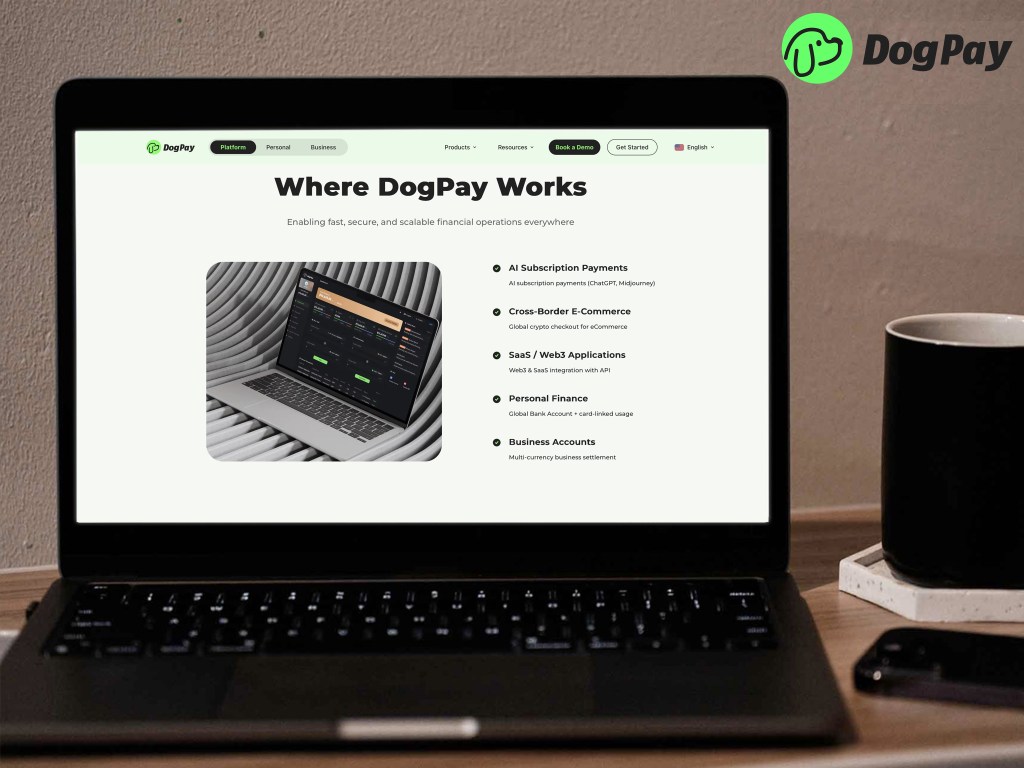
When retiring abroad, especially with finances originating outside Thailand, Dogpay can help manage, streamline, and secure your money flows. Below are key ways Dogpay adds value:
- Remitting Visa / Application Fees When paying visa fees, application costs, or renewal payments (especially from a foreign bank), Dogpay enables you to send the exact amount in Thai baht or converted from your currency, with transparent exchange and minimized hidden fees.
- Transferring Savings / Capital into Thai Accounts You may want to move retirement funds, pension distributions, or savings into a Thai bank account. Dogpay ensures those transfers arrive intact, minimizing intermediary markups or exchange spread leakage.
- Rent / Housing Payment & Deposits Paying your monthly rent or deposit from abroad becomes easier. Dogpay ensures landlords receive the correct THB sum, with proof and traceability.
- Health Insurance Premiums Private health insurance policies may be paid in foreign currency or to non-Thai insurers; Dogpay helps you remit those premiums reliably.
- Recurring Costs & Services Utilities, maintenance, property services, domestic helper salaries, subscriptions—all may require periodic payments. Dogpay lets you schedule them with confidence from abroad.
- Payment for International / Imported Services / Goods If you import equipment, electronics, medical supplies, or engage foreign providers (e.g. legal, translation), Dogpay helps you make those cross-border payments smoothly.
- Receipts, Logs & Audit Trail Especially for visa renewal or regulatory checks, Dogpay gives you timestamped receipts, exportable transaction logs, and clear audit trails to support compliance.
- Minimizing Hidden Banking Costs & FX Loss Instead of using traditional banks with multiple middlemen and wide spreads, Dogpay reduces “leakage” so more of your money is used for intended expenses rather than lost in transfer.