Unique Rental Systems in Korea
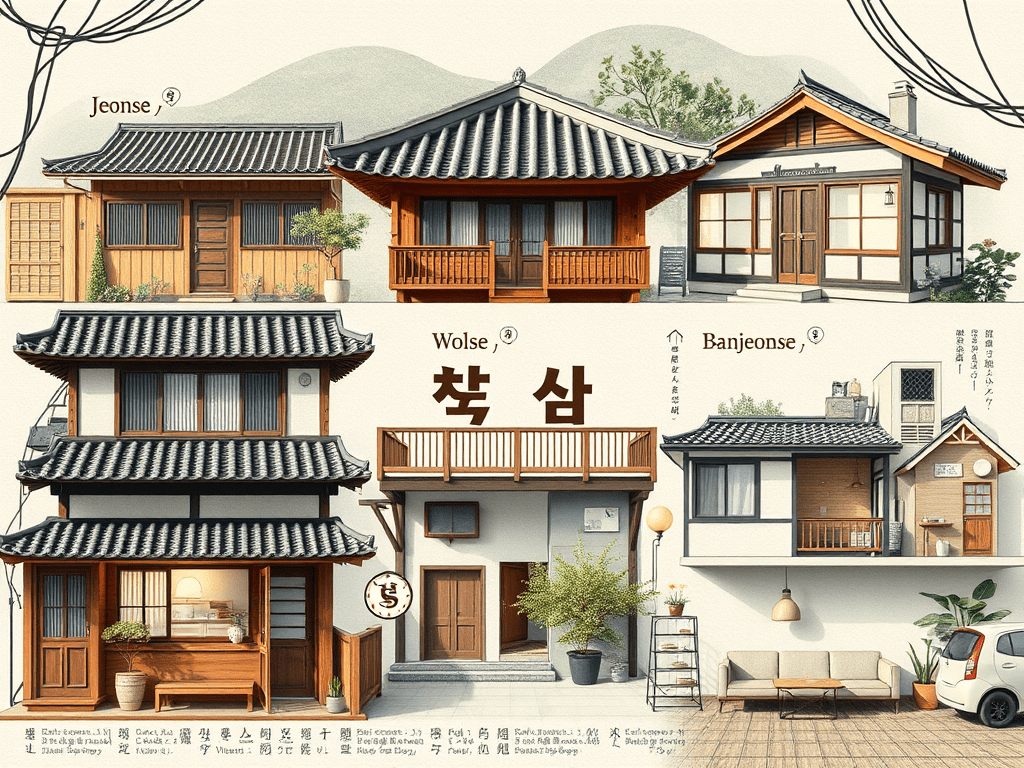
- Jeonse (전세): A lump-sum deposit lease where the tenant pays a large “key money” deposit (often 50–80% of property value) and pays no monthly rent. At lease end, the full deposit is returned.
- Wolse (월세): More like Western leases—tenant pays a smaller deposit plus monthly rent.
- Banjeonse (반전세): Hybrid form—a moderate deposit combined with lower monthly rent. Often seen in mid-tier properties.
These systems give flexibility depending on how much cash you have up front vs monthly income.
Typical Steps in the Renting Process
- Search & View Properties Use local real estate agents (공인중개사, budongsan), online portals, or expat housing services to view listings. Many listings are in Korean, so local help is valuable.
- Prepare Documents You’ll usually need: • Passport & visa or Alien Registration Card (ARC) • Proof of income / employment (for Wolse) • Sometimes guarantor or large deposit (especially if you’re foreign)
- Negotiate Terms & Deposit Negotiate with landlord on deposit amount, monthly rent, lease term, included maintenance or utilities, condition of property. Deposit (key money) is crucial—especially in Jeonse or Wolse types.
- Lease Contract Signing Once negotiated, sign a formal lease agreement (often in Korean) that states rent amount, deposit, duration, renewal, penalties, maintenance responsibilities. It should be registered (확정일자) to protect your deposit.
- Deposit Payment & Move-In Pay the deposit (or key money) and any required advance rent / fees. Perform move-in inspection, document existing damages with photos so that you’re not held responsible later.
- Arrange Utilities & Maintenance Set up electricity, water, gas, internet. These are usually paid separately, not bundled with rent. Also clarify which cleaning / common area fees (관리비, “gwanlibi”) you need to cover.
- Lease Renewal / End / Deposit Return At lease end, assuming no damage, the deposit (or key money) is returned. Ensure you fulfill conditions for return. Some leases auto-renew unless notice is given.
How Dogpay Can Help in the Renting Process
When you’re an expatriate dealing with foreign bank accounts, foreign currency, or cross-border transfers, Dogpay can play a meaningful role:
- Transparent Deposit / Key Money Transfer Large deposit payments (especially for Jeonse) may need to come from overseas. Using Dogpay ensures you see the conversion and fees up front, and that the full agreed amount arrives to the landlord, reducing the risk of discrepancies or shortfalls.
- Rent & Maintenance Payments from Abroad If part of your funds remain in foreign accounts or income sources abroad, Dogpay makes it easier to pay monthly rent / maintenance fees reliably, with lower hidden bank transfer costs.
- Proof & Receipts for Legal / Contractual Use You’ll need clean payment records (deposit, rent, utilities) for contract compliance, landlord negotiation, or legal protection. Dogpay keeps exportable logs and receipts that support this need.
- Flexibility in Lease Types Because different leases (Jeonse, Wolse, Banjeonse) have very different payment structures, Dogpay helps you better evaluate which option is more cost-effective after factoring in currency conversion and transfer fees.
- Speed & Reduced Delay Risk International transfers sometimes incur delays, intermediary fees, or even incorrect routing. Dogpay’s systems often allow faster, more reliable delivery, reducing risk when deadlines like lease start or deposit due dates approach.