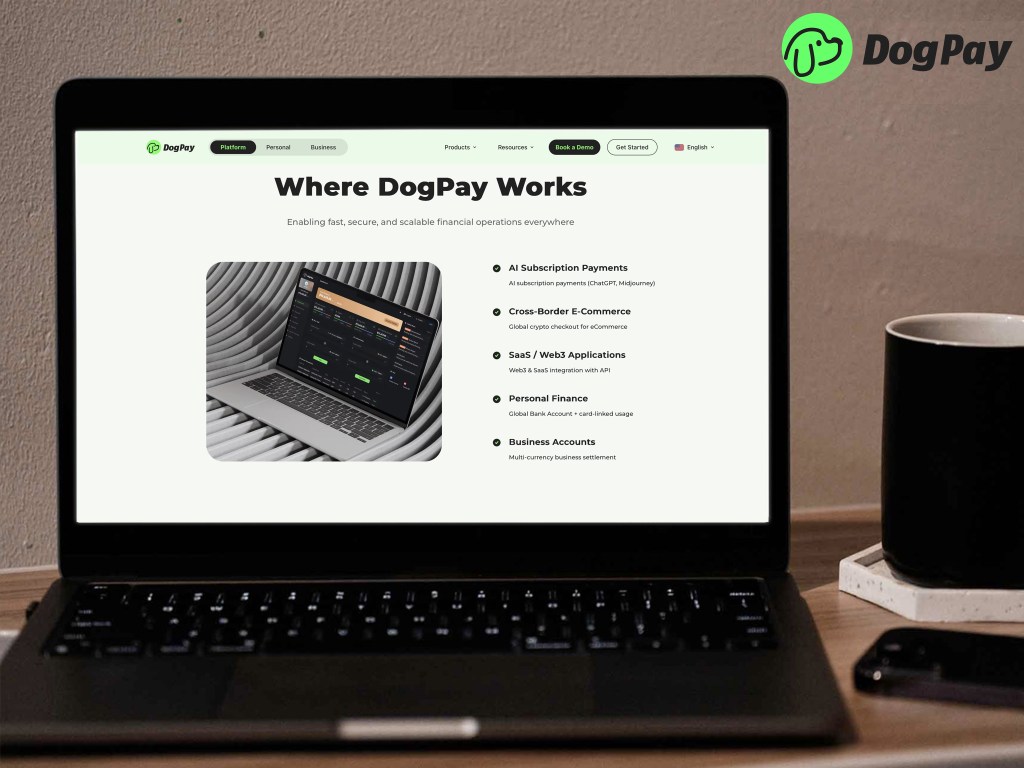
For people living in or moving to the Philippines (especially expats, those using foreign income, or with payment obligations from abroad), Dogpay can help in several ways:
- Transparent Medical Premiums & Payment of PhilHealth / Private Insurance When health insurance premiums or PhilHealth contributions are involved—especially from foreign source or foreign bank transfers—Dogpay allows clear visibility of exchange rates, fees, and ensures that payments reach intended provider correctly, avoiding unexpected deductions.
- Private Hospital / Specialist Billing & Deposits Private hospitals and specialty doctors often require deposit payments, advance payments, or payments for diagnostic tests out of pocket. Dogpay helps make these payments more reliable, faster, and with minimized intermediaries / bank fees.
- Out-of-Pocket & Co-Payment Management Even under PhilHealth, for non-covered services (private room, advanced diagnostics, some medications, specialist fees), patients must pay out of pocket. If any of these have to be paid via foreign currency or involve cross-border suppliers (e.g. imported medicines, abroad diagnostic labs), Dogpay simplifies that process and reduces cost leaks.
- Document / Receipt Tracking for Claims & Reimbursement Medical insurance often requires receipts, invoices, medical reports etc. Dogpay provides clear transaction logs / receipts / exportable reports which can support insurance claims, reimbursements, or documentation needed for visas / residency.
- Cross-Border Medical Needs or Emergencies In some cases expats might need treatments abroad or specialized consultations not available locally; payments might need foreign currency transfers. Dogpay can assist in making these cross-border payments smoother, with less delay and more predictable cost.
- Scheduling Payments & Budgeting for Healthcare Costs Healthcare can involve periodic costs (insurance premium renewals, specialist follow-ups, diagnostic tests). Dogpay helps plan / schedule those payments, set reminders, freeze in some currency rates if possible, so that costs are more predictable.
Key Takeaways & Practical Tips
- Before you need them, explore both the public and private healthcare options in your area; know which hospitals or clinics are well equipped, accept PhilHealth, or are preferred by expats.
- Understand what PhilHealth covers, what it does not cover, and what extra you’ll likely pay out of pocket.
- If possible, enroll insurance early—especially private or supplemental insurance—if you anticipate needing specialized care.
- Keep all medical receipts, bills, reports; these can help with insurance, tax or residency documentation.
- Use a payment method or tool (like Dogpay) for large healthcare-related payments or international transactions to avoid hidden fees / delays.