What Expats Commonly Experience in the Netherlands
- High quality of life: good public services, safety, healthcare, public transport, clean environment. The country is often ranked highly for livability.
- Multicultural and English-friendly: many people speak English; international work environments are common, especially in major cities like Amsterdam, Rotterdam, The Hague, Utrecht.
- Cost of living: relatively high, especially in housing and rent in major urban areas. Utilities, groceries, and transport are manageable but more expensive than in many non-European regions.
- Tax and legal considerations: Expats may benefit from tax incentives (e.g. 30% ruling for certain foreign employees), but tax rates and deductions are complex.
- Housing competition: finding a good apartment in desired locations can be tough; small spaces; deposits; agency fees; long waiting lists in some cases.
How to Make the Most Out of It (Tips)
- Learn basic Dutch and cultural norms; even minimal language skills help a lot with dealing with bureaucracy, healthcare, tenancy, social integration.
- Budget more for housing: expect higher rent + deposits. If possible choose neighborhoods slightly outside major city centers for better value.
- Understand your tax / permit status before accepting job offers. If eligible for the 30% ruling or other perks, ensure employer applies correctly.
- Use public transport or cycling—cost-efficient, reliable; car ownership is expensive (insurance, parking, fuel, tax).
- Keep good documentation for contracts, health insurance, residency permit, etc.
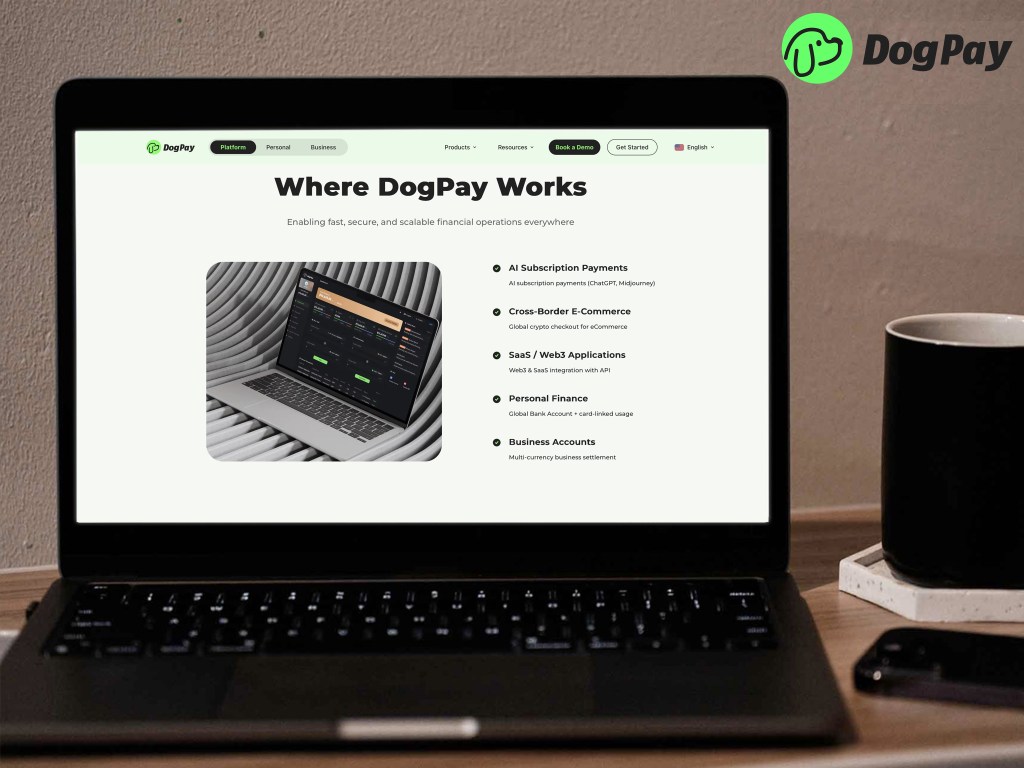
How Dogpay Helps Expats Manage Payments & Reduce Friction
- Salary, allowances, remote work income: If you’re paid from outside the Netherlands or have multiple income sources, Dogpay can help with multi-currency transfers, reduce foreign exchange losses, ensure you receive amounts reliably.
- Relocation and housing payments: Deposits, first month’s rent, utility setup often require large upfront payments or foreign transfers; Dogpay can make these smoother, with clear fees and timing.
- Recurring bills & subscriptions: Health insurance premiums, utilities, internet/data plans, subscription services—many expats juggle payments across currencies or from foreign bank accounts; Dogpay can help automate or at least centralize tracking.
- Tax, permits, document fees: Permit applications, visa fees, translations, health insurance etc. often require small/medium payments, sometimes abroad; Dogpay helps you maintain clean receipts and avoid hidden bank fees.
- Unexpected expenses: Medical emergencies, travel back home, legal or bureaucratic hiccups—having a payment tool that’s fast, transparent, low overhead is very useful.