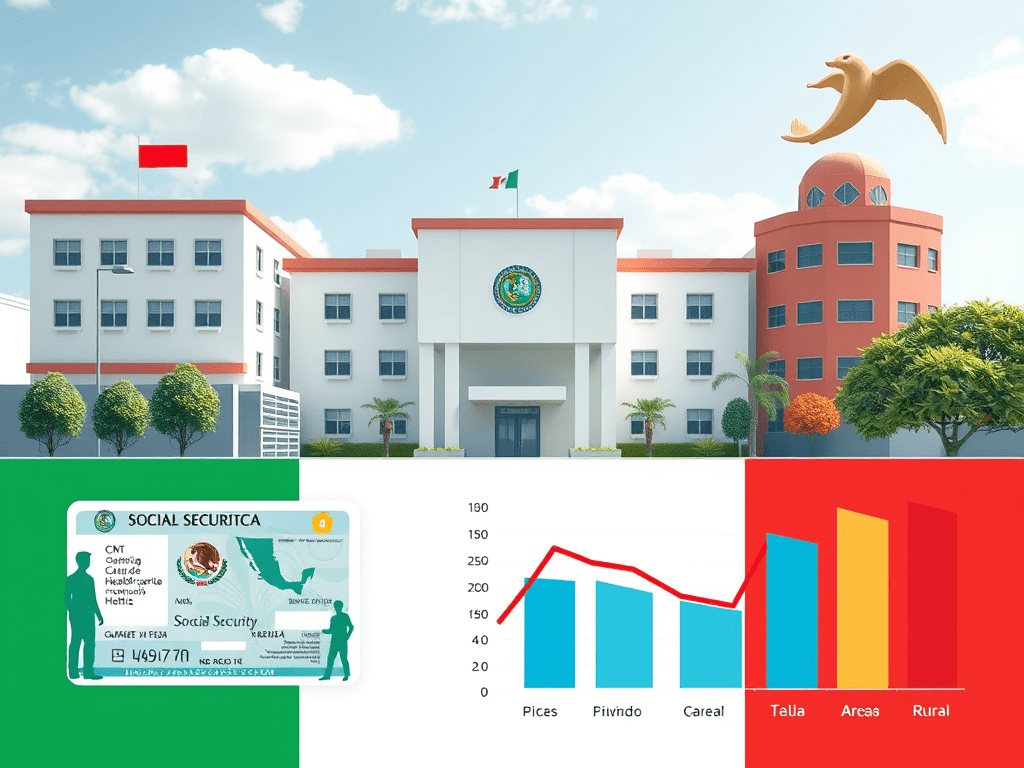
Overview of Mexico’s Healthcare System
Mexico has a mixed healthcare system composed of public, employer-based, and private components.
- Public / Social Security Systems • IMSS (Mexican Social Security Institute) covers formal private-sector workers and their dependents. • ISSSTE serves federal government workers. • For people not covered via employment, older programs like Seguro Popular existed; more recently INSABI (Institute of Health for Welfare) was introduced to cover those without social security—but as of 2023 there have been reforms, merging some responsibilities under IMSS-Bienestar.
- Private Sector Private hospitals and clinics offer faster access, more specialized care, more comfort, often with multilingual or international-standard service. Many pay out-of-pocket or via private insurance. The quality is generally good, particularly in major cities and tourist hubs.
- Challenges & Variability There are disparities in access and quality between urban vs rural areas. Remote or poor regions may have fewer resources, longer wait times, or lack of specialized services. Some parts of the system face shortages (medicines, staff, equipment), logistical issues, varying levels of infrastructure.
- Financing & Out-of-Pocket Costs Public systems are funded via employer/employee contributions (for IMSS, ISSSTE), government budgets, and sometimes additional contributions. Still, many people pay out-of-pocket for private or specialized care, medicines, diagnostics. For those without public coverage or who prefer private facilities, these costs can add up.
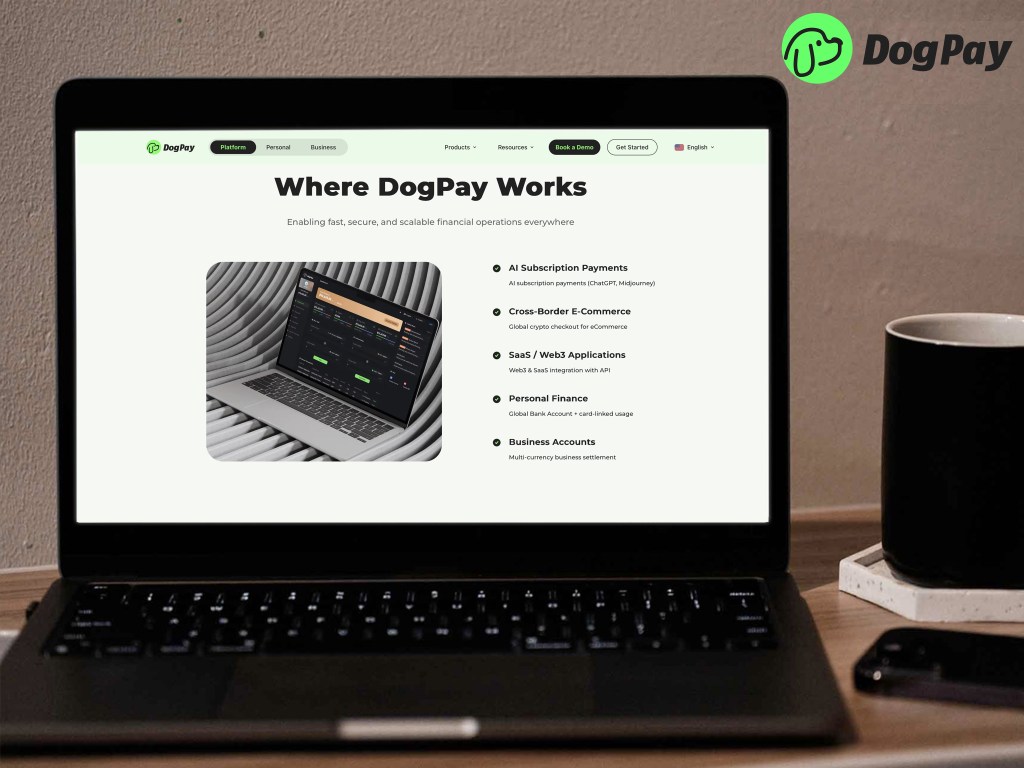
How Dogpay Helps with Healthcare Payments & Management
Here’s how Dogpay can be useful for expats or people using multiple healthcare options in Mexico:
| Scenario | Common Friction / Cost Issues | How Dogpay Adds Value |
|---|---|---|
| Paying private hospital or clinic bills | Private care often requires upfront payment; using foreign cards or transferring from abroad may involve unfavorable exchange rates, bank fees; risk of misplacing receipts needed for insurance / reimbursement. | Dogpay enables cross-currency payments with clearer fees, helps schedule or coordinate payments, ensures receipts / invoices are tracked, reduces hidden costs. |
| Insurance premiums & recurring payments | If insured privately, premiums may be due annually or monthly; paying from abroad or using non-local payment methods can incur fees; missing payments can affect coverage. | Dogpay makes recurring payments easier to manage; sets reminders; smoothly handle cross-border premium payments; better visibility into how much you’re spending. |
| Specialist care, diagnostic tests, prescription medicine | Tests or medicines may not be fully covered publicly; sometimes public hospitals have shortages; private labs/clinics may charge rates that seem high; sometimes you pay first and seek reimbursement. | Dogpay assists in paying labs or pharmacies; managing foreign currency conversion; consolidating multiple smaller payments; tracking cost vs coverage to help you make decisions (public vs private). |
| Emergency / hospitalization / unexpected health costs | Unexpected health issues can mean large sudden expenses; delays in payment or reimbursement can increase stress; foreign exchange or bank fees may worsen financial impact. | Dogpay helps ensure you can transfer needed funds quickly if abroad; potentially provides a smoother path for payment; better predict costs by knowing full fees ahead; keep records clean for insurance / tax purposes. |