What Is Dual Citizenship in Mexico
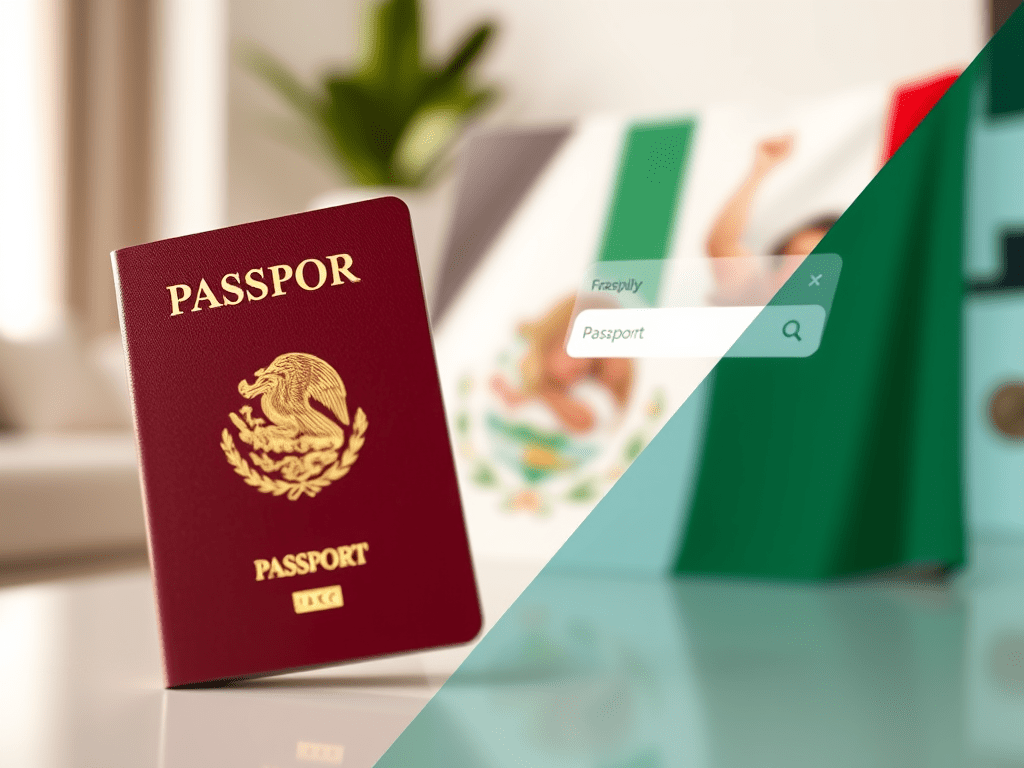
- Mexico allows dual citizenship: you can hold Mexican nationality and at the same time retain your original nationality.
- Nationality by birth (jus soli) or by descent (having at least one Mexican parent) is recognized.
- Foreign nationals can also obtain Mexican citizenship via naturalization, provided certain requirements are met (residency, language/Spanish proficiency, cultural knowledge, clean record, etc.).
Eligibility & Key Requirements
| Pathway | Key Requirements |
|---|---|
| By Birth / Descent | If you are born in Mexico, automatically a Mexican citizen regardless of parents’ nationality. If born abroad to at least one Mexican parent, you also can apply for citizenship by descent. |
| By Naturalization | Must have legal residency (temporary or permanent) usually 5 years; in special cases (married to a Mexican, having Mexican child, or from Latin America/Iberian countries) it may be reduced to 2 years. Also required: proof of Spanish language ability; knowledge of Mexican history/culture; clean criminal record; documents proving identity/residency. |
Benefits & Considerations
Benefits:
- As a dual citizen, you can live, study, work in Mexico without needing visas or residency permits.
- Easier property ownership rights, access to public services, social benefits.
- Mexican passport confers visa-free or visa-on-arrival travel to many countries.
Considerations / Potential Drawbacks:
- You may have tax obligations both in Mexico and your other country, depending on residency and income.
- Must ensure documents are correctly translated / certified; process can take months.
- If naturalized (vs citizenship by birth/descent), some limitations exist (e.g. certain public offices may be restricted).
How to Apply & Typical Timeline
- Determine which pathway applies: by birth / descent or naturalization.
- Collect required documents: birth certificate(s), parents’ nationality proof, proof of residency, Spanish proficiency, etc.
- Submit application to Secretariat of Foreign Affairs (Secretaría de Relaciones Exteriores, SRE) via Mexican consulate or in Mexico.
- Possibly pass interview, oath, or tests (history, culture, language) as required.
- After approval, register citizenship and obtain Mexican passport.
Timeline: The process may take several months to 1-2 years depending on pathway, document completeness, consular backlog.
How Dogpay Helps in Dual Citizenship Costs & Process
| Scenario | Typical Payment or Financial Friction | How Dogpay Adds Value |
|---|---|---|
| Fees for application & document processing | Citizenship application may require payments for processing, translation, notarization, certified documents; if paying from abroad, banks may add high fees or offer poor FX rates. | Dogpay enables multi-currency payments; shows actual conversion cost; reduces hidden bank fees; enable fast transfers so documents can be processed on time. |
| Translation, criminal record checks, language tests | You may need to pay for official translators, fitness/criminal background checks, language test proctors – sometimes in Mexico or abroad; multiple small payments. | Dogpay can centralize those small/medium payments; track all receipts; possibly reduce FX loss; easier to manage budget for these side costs. |
| Travel / Consulate visits / Passport issuance | You may need to visit consulate, pay travel expenses, pay for passport or certificate issuance, deliver or pick up originals – costs that may require cross-border or foreign currency payments. | Dogpay helps send money reliably; may reduce fees; helps ensure needed funds are delivered in time; receipts and payment proof are preserved. |
| Ongoing obligations / maintenance | After obtaining citizenship, renewing passports, paying for IDs, consular registrations, taxes, sometimes legal compliance; these recurring or periodic costs add up. | Dogpay makes recurring payments easier; maintain clear payment history; avoid surprises; help with budgeting these ongoing obligations. |
Key Takeaways
- Dual citizenship with Mexico is fully legal and allowed; many paths exist (by descent, by birth, by naturalization).
- If you qualify via birth or parentage, process tends to be simpler; naturalization is more involved.
- Be mindful of both Mexican obligations (taxes, legal, documents) and those from your original country.
- Using a service like Dogpay can reduce costs, improve speed and transparency in payment-related parts of the process, and make the journey smoother.