1. Who Needs a Work Visa & What Types Exist
- Non-EU / non-EEA / non-Swiss citizens need a Work Visa + Work Permit (Nulla Osta) before arriving in Italy to start work.
- Types include:• Traditional employee work visa with an Italian contract. • Seasonal work visas (tourism, agriculture) • Intra-company transfers for employees moving within a multinational company. • Self-employment/freelancing visas when permitted (depending on region and requirements).
2. Key Eligibility & Document Requirements
To apply, you’ll generally need:
- A valid signed employment contract.
- Employer applies for the Nulla Osta (work authorization) via the local Immigrant/Prefettura office.
- Passport valid for at least 3 months beyond visa duration, with blank pages.
- Passport photos.
- Proof of accommodation in Italy.
- Diplomas / qualifications relevant to the role.
- Police or criminal record check (no serious convictions).
- Sometimes medical insurance with sufficient coverage.
3. Application Process & Important Timelines
- Job Offer + Nulla Osta: Employer must secure authorization first.
- Visa Application at Italian Consulate: Once the Nulla Osta is approved, you submit your visa application (long-stay / national visa, often called Type D).
- Arrival + Permesso di Soggiorno (Residence Permit): Must apply within 8 days of arrival in Italy. This allows you to live and work legally.
- Validity & Renewal: Depending on the contract length and visa category, the work visa can initially be valid up to 1-2 years, and may be renewable.
4. Recent & Policy Changes / Quota System
- Italy uses a quota system (“Decreto Flussi”) for non-EU work visas: a limit on how many non-EU workers can be hired annually, depending on sector and region.
- EU Blue Card rules have been updated: higher salary minimums, contract duration requirements, and improved mobility rights.
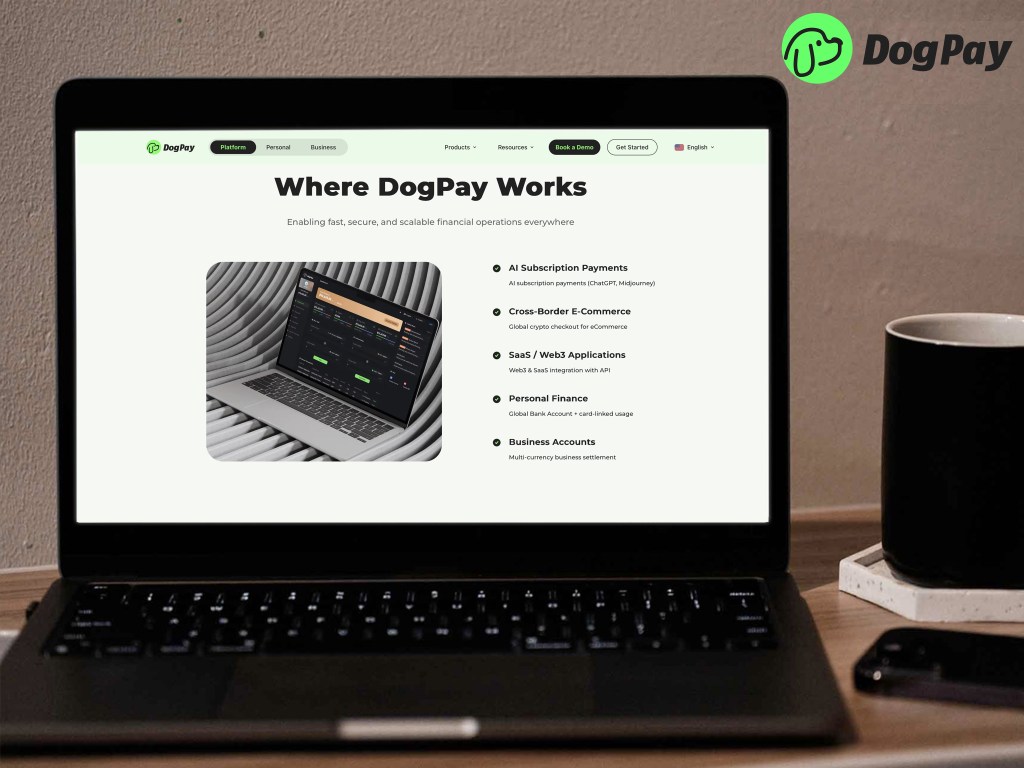
5. How Dogpay Can Make the Process Smoother Financially
| Scenario | Common Financial / Payment Challenge | Dogpay’s Benefit |
|---|---|---|
| Paying visa application / consular / permit fees from abroad | Bank transfers are slow; hidden FX (foreign exchange) fees; sometimes poor transparency about total cost | Dogpay supports multi-currency payments, shows exchange rates & fees up front, transfers settle faster so you avoid surprises or delays |
| Paying for document services (translations, apostilles, certifications) | Multiple small-ticket payments; sometimes foreign vendors; aggregate cost is unpredictable | Dogpay can aggregate and categorize these expenses; export receipts; helps budget and file for reimbursement if needed |
| Paying for accommodation deposit or contract fees before arrival | Large sums; cross-border fund transfer costs; risk of delays; sometimes multiple currencies involved | Dogpay helps make cross-border payments more efficient; minimizes currency loss; tracks large payments cleanly |
| Salary payments / receiving salary from an Italian employer or foreign payroll | Currency conversion issues; fees from intermediary banks; delays in cross-border salary remittances | With Dogpay, you can set up more direct routes or use supporting tools to reduce these fees; transaction logs make recording and verifying income easier |