1. What to Expect: Lifestyle, Costs & Culture
Lifestyle & Culture
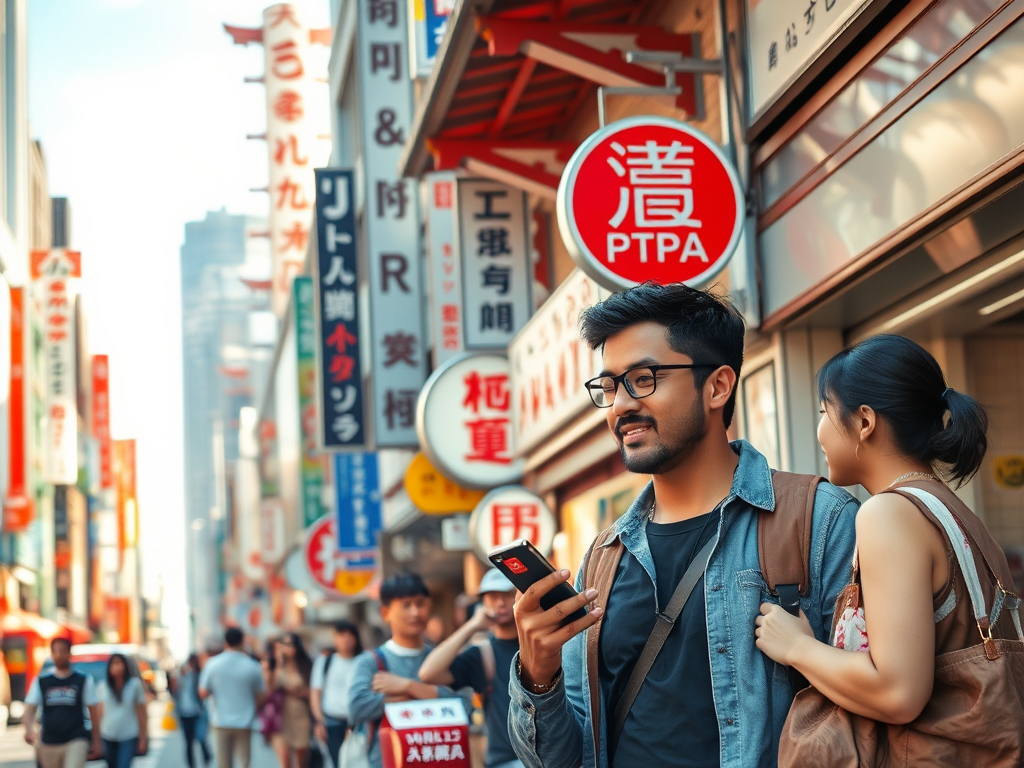
- Many Americans moving to Japan enjoy high safety, excellent public services, reliable infrastructure, cleanliness, and unique cultural experiences. Urban convenience (shops, food, transit) is very high.
- Language can be a barrier initially—outside of major tourist or expat areas, English is less common in everyday interactions, official paperwork, etc. Learning basic Japanese helps a lot.
- Work culture is intense: longer hours, fewer vacation days compared to U.S. norms; expectation of dedication, punctuality, workplace hierarchy.
Housing & Cost Differences
- Housing in major cities (Tokyo, Yokohama, Osaka) is expensive. Rent for small apartments tends to be high; smaller, less central locations are significantly cheaper.
- In more remote / less dense cities, or suburbs, or places like Sapporo, Fukuoka, cost of renting and daily expenses is much lower. Some U.S. Americans report monthly rents ~$700 in cities like Sapporo, which is far below comparable U.S. city rents.
Daily Costs & Utilities
- Utilities (electricity, water, internet), groceries, transport are reasonable but imported goods or luxuries cost more.
- Public transportation is excellent and often cheaper/more efficient than car-oriented lifestyles in U.S.
Healthcare, Insurance & Legal Aspects
- Japan has a national health insurance system; foreigners who are residents or have proper visa status participate. Out-of-pocket payments (co-payments) apply.
- Visa / residency status, documentation are crucial—proof of address, work contract, Japanese bank account, residence card are often required. Bureaucracy can be slow.
2. Common Challenges for Americans in Japan
| Challenge | Details |
|---|---|
| Housing access & upfront fees | Many apartments require large deposits, key money (non-refundable), agency fees; furnished ones cost more. |
| Financial transfers & foreign bank accounts | Moving money from U.S. bank to Japan might incur fees, delays, exchange rate losses. Also, setting up local bank account often requires documentation. |
| Tax / Income differences | U.S. citizens are taxed globally; reporting income from abroad / handling U.S. tax obligations + Japanese tax or social insurance can be complex. |
| Cultural & language gap | Signage, forms, contracts often in Japanese; not all authorities or businesses have English support. Learning Japanese or hiring a local translator helps. |
| Work culture & hours | Different norms around overtime, holidays, expectations. Might be tougher for those used to stricter work-life balance. |
4. How Dogpay Helps
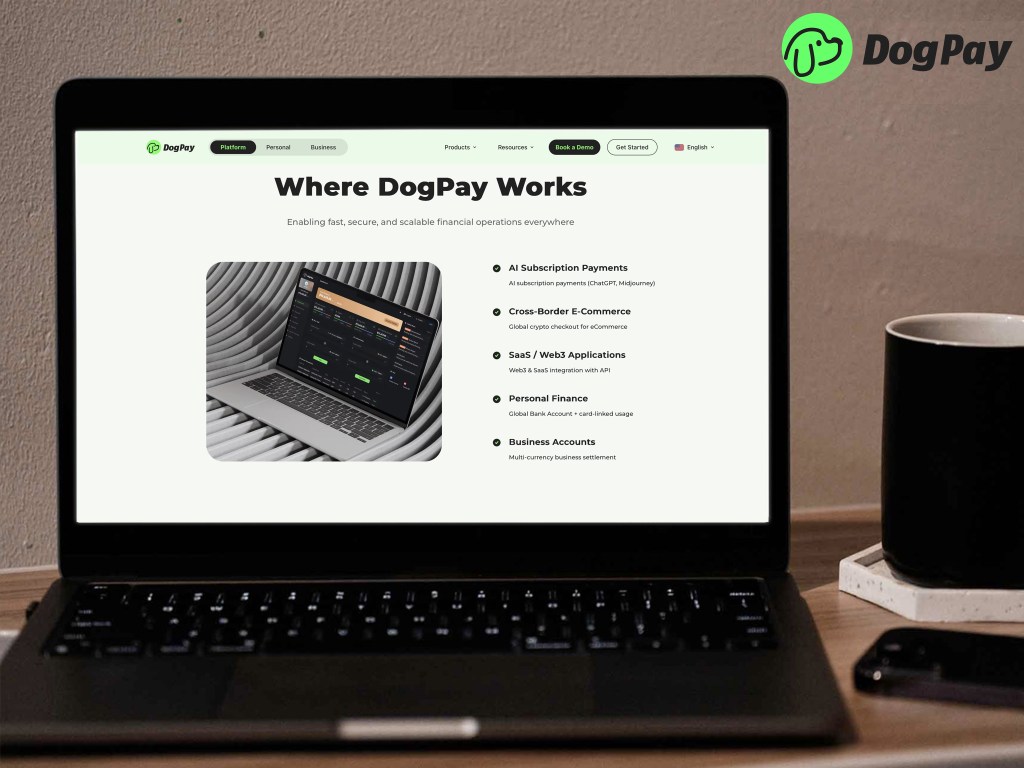
Dogpay addresses financial friction points:
- Rent & deposits: Faster cross-border transfers, transparent FX, fewer hidden fees than traditional banks.
- Bill payments: Automates recurring utilities and phone bills, with clear exportable records.
- Healthcare & insurance: Quick international payments, full receipts for reimbursements or claims.
- Income & fund proof: Dogpay provides exportable PDF/CSV transaction logs for tax or residency purposes.
5. Takeaway
Living in Japan as an American is rewarding but demanding. With Dogpay, expats can simplify cross-border payments, reduce hidden costs, and keep finances transparent—making life in Japan smoother and more manageable.