1. What is Dual Citizenship in Italy
- Italy allows for dual citizenship: you can hold Italian citizenship while retaining citizenship of another country, provided that the other country also permits dual/multiple citizenship.
- Recent law changes (Decree-Law No. 36 of March 28, 2025, Law No. 74 of May 23, 2025) have tightened eligibility, especially for citizenship by descent (jure sanguinis). Only those with at least one parent or grandparent born in Italy, or meeting other specific conditions, remain automatically eligible in many cases.
2. Common Paths to Italian Dual Citizenship
| Path | Key Requirements |
|---|---|
| By Descent (Jure Sanguinis) | You need to prove your Italian ancestor was a citizen (parent / grandparent), that they did not renounce citizenship before the birth of the next generation, and that required documents (birth certificates, death/naturalization records) are provided. |
| By Marriage | If you are married to an Italian citizen, there are reduced residency / time-living conditions. For example, being married and residing in Italy or abroad under certain timelines; also, basic Italian language skills often required. |
| By Naturalization / Residency | Non-EU citizens can apply after legally residing in Italy for a certain number of years (often 10 years for many, sometimes less under specific conditions). Requirements include stable income, clean legal record, proof of integration. |
3. Recent Changes & Important Limitations
- The new 2025 law reforms limit automatic descent-based citizenship for those with more distant ancestors. Many who claimed through great-grandparents or further may no longer qualify unless specific criteria met.
- Proof of ancestry and related documents must meet stricter standards; delays or extra verification are more frequent.
- Language requirements or knowledge of Italian culture are increasingly enforced in some applications.
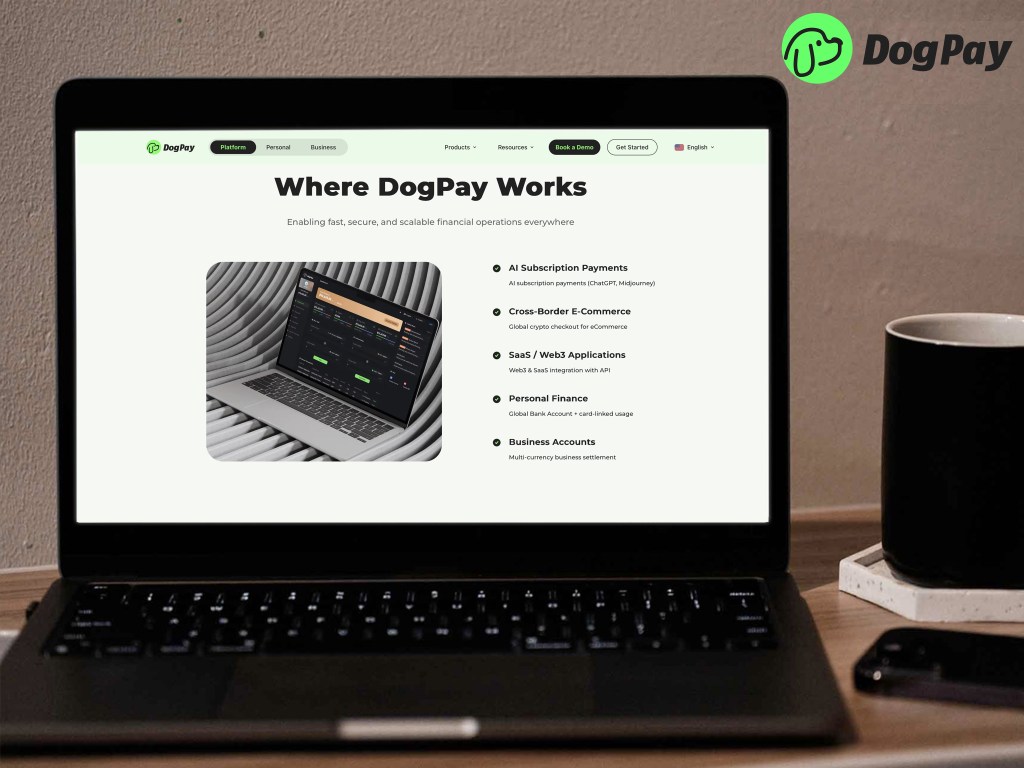
4. How Dogpay Helps with Payment & Documentation Challenges
| Scenario | Common Challenges | Dogpay’s Advantages |
|---|---|---|
| Paying registry / consulate fees from abroad | International transfers can incur high fees, delays, and unclear exchange rates | Dogpay allows multi-currency transfers with transparent fees and timely settlement, reducing surprises |
| Obtaining and paying for translated / legalized documents (birth/ancestor certificates) | Documents may need translation, notarisation, apostille; costs scattered across vendors and currencies | Dogpay enables you to consolidate document related payments, keep receipts, categorize expenses, which helps with proof requirement |
| Proving proof of funds or income when living abroad | Need to show bank statements, remittances, passive income; cross-border income complicates currency conversions and authenticity | Dogpay’s transaction history and exportable logs help you show clear financial movement; might simplify gathering evidence needed by consulates |
| Paying for language certification or integration courses | Sometimes required as part of naturalization or marriage-based citizenship; payments to educational institutions or exam bodies in or outside Italy | Dogpay supports such payments, often across borders, with clarity; less chance of hidden charges |
5. Key Advice & Takeaways
- Start gathering ancestor documents early: carves out time for translation, verification, apostilles.
- Check if your ancestor never naturalized away from Italian citizenship before your parent’s birth—this is often a disqualifier.
- Budget for all associated costs, not just application—documents, legal, translation, travel if needed.
- Use tools like Dogpay to manage all cross-border financial components: you’ll want transparency, speed, and traceable payment history.