1. Before You Move: Visas, Permits & Docs
- Non-EU/EEA citizens typically need a work permit: Critical Skills Permit or General Employment Permit are common routes.
- If you have Irish ancestry or married to someone with Irish status, different eligibility paths may apply.
- Prepare documents ahead: valid passport, photos, proof of employment or study, address proof, income statements, birth/marriage certificates, possibly translations or notarization.
2. Housing & Cost of Living Expectations
| City or Situation | Rent (1-Bedroom / City Center) | Utilities & Basics | Transport | Groceries & Lifestyle |
|---|---|---|---|---|
| Dublin (City Center) | High — often between €1,800-€2,500/monthdepending on size & neighborhood | Bills (electricity, heating, water, trash etc.) €200-€300/month common | Monthly public transit passes ~ €100-€150; owning a car adds more expense | Groceries and eating out cost more; imported goods pricier |
| Smaller Cities / Suburbs | Rent 20-40% cheaper; more space for money | Utility bills proportionally lower | Less public transport availability outside major cities | Local food & service costs lower; lifestyle choices impact heavily |
Utilities for an average apartment (electricity, heating, water, trash) often run €150-€250/month. Transport, groceries, mobile/internet bills vary—rising steeply in urban areas. Lifestyle choices make big difference.
3. Legal, Tax & Social Systems
If you qualify as “ordinarily resident,” you can access Ireland’s public healthcare system; medical cards available for those who meet income/health criteria. Must register for tax purposes: income taxes, PRSI, USC. Understanding deductions, local taxes, etc., is essential.Public education in most cases is free or low-cost; private & international schooling adds significant expense.
4. Cultural & Lifestyle Considerations
English is dominant; interacts well with locals. Irish culture is rich; expect friendliness but also differences in daily norms and pace of life.Weather can be damp and overcast; heating and clothing for cold/wet periods are necessary.Location matters: living closer to city centers costs more but cuts commuting costs; suburbs are cheaper but may require travel time.
5. How Dogpay Smooths the Financial Transition
| Scenario | Common Financial Hurdle | Dogpay’s Benefit |
|---|---|---|
| Paying visa / permit / immigration fees | Long international transfers, confusing fees, FX spreads | Dogpay enables fast multi-currency payments with clear, low fees |
| Rent deposit / first month’s rent from abroad | High bank fees, delays, sometimes limited payment options | Dogpay supports stablecoin / international payment channels, reduces wait time |
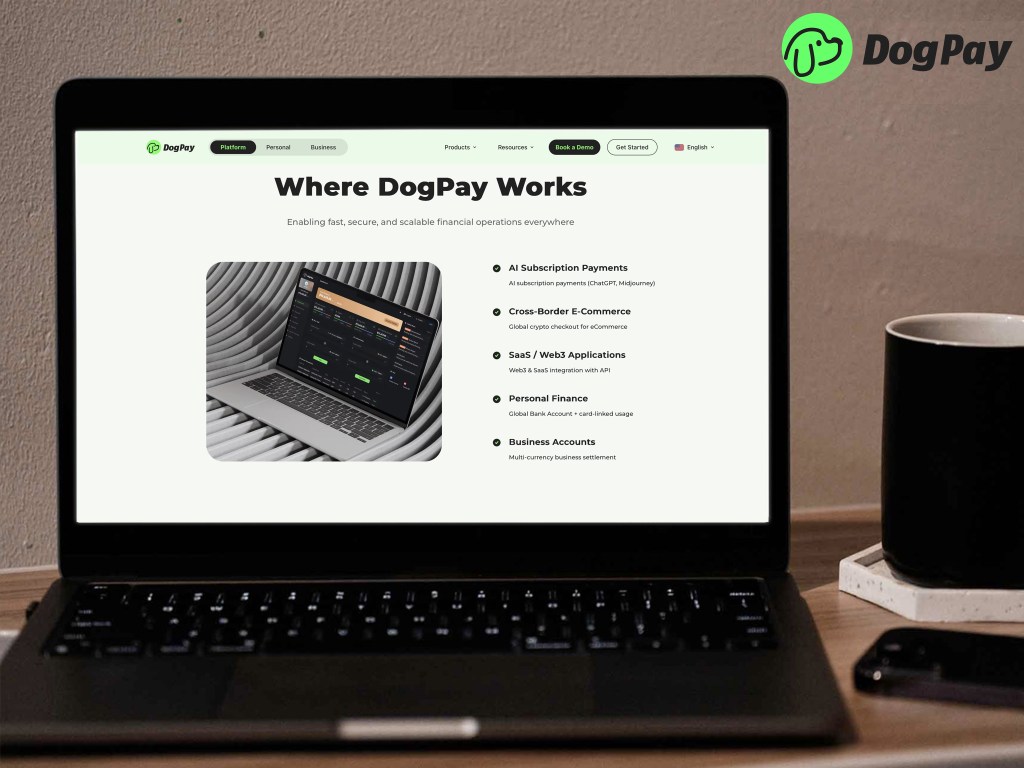
| Managing recurring day-to-day expenses | Multiple small payments, inconsistency in billing and tracking | Dogpay auto-categorizes transactions, exports reports, simplifies budgeting |
| Handling emergency or unplanned costs | Unexpected medical bills, moving-in costs, etc., needing quick funding | Dogpay offers fast settlement paths so you don’t get stuck waiting for payments |