1. Visas and Legal Requirements
Expats who wish to live and work in India long-term typically need an Employment Visa or Business Visa. Some visas require employer sponsorship and minimum salary thresholds. For stays over 180 days, registration at the Foreigners Regional Registration Office (FRRO) is mandatory.
2. Cost of Living & Housing
- Housing: Central apartments in Mumbai, Delhi, or Bangalore can be expensive, while suburban or tier-2 cities offer more affordable rents.
- Everyday Costs: Groceries, public transport, and services are cheaper compared to Western countries, but imported goods and international lifestyle services are costly.
3. Work Opportunities
India offers growing opportunities in IT, software outsourcing, manufacturing, education, and creative industries. Expats are often recruited in these areas, provided they meet visa salary requirements.
4. Cultural Adaptation
- Language: English is widely used in business and education, but there are 20+ regional languages encountered in daily life.
- Lifestyle: Embracing diverse food habits, festivals, and managing traffic congestion helps with smoother integration.
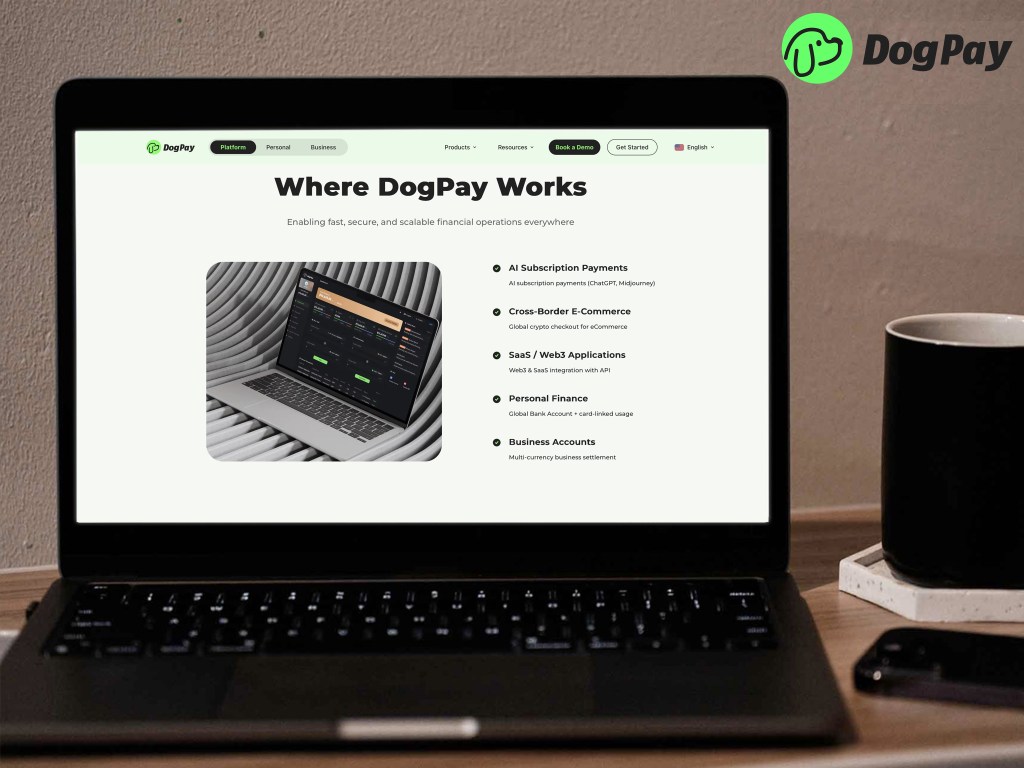
5. Dogpay’s Role
| Scenario | Challenge | Dogpay Solution |
|---|---|---|
| Paying visa fees | Delayed international wires, high costs | Instant multi-currency transfers, zero conversion fees, transparent rates |
| Housing deposits | Large transfers to landlords/agents complex | Fast settlement + stablecoin options reduce delays |
| Daily spending | Multiple small transactions hard to track | Auto-categorized expenses + exportable reports for budget clarity |
| Emergency healthcare | Urgent payments slowed by banks | Rapid settlement channels ensure timely payments |
Final Insight: Moving to India is both exciting and demanding. With Dogpay, expats gain seamless cross-border payments, transparent rates, and consolidated financial management—so they can focus on opportunities and lifestyle, not financial hurdles.