1. Overview of Rental Process in Brazil
- Types of Rentals & FlexibilityRenting options include direct owner leasing, agent-assisted rentals, or short-term stays (fewer than 30 days). Newcomers often prefer direct deals for their flexibility.
- Lease Contracts & DepositsLong-term rentals typically require a security deposit of 2–3 months’ rent and formalized contracts through a notary (Cartório). The standard lease is 30 months, but mid-term termination clauses are often negotiable.
- Tenant Rights Under Brazilian LawThe Lei do Inquilinato ensures fair lease terms, rent adjustment rules, and eviction protections, safeguarding tenant rights.
- Required Documents & GuaranteesRenters typically need to provide passport, CPF, proof of income (≥ 3× rent), and proof of residency. A local guarantor (fiador) may be required—alternatively, a larger deposit can substitute.
- Rules for Short-Term RentalsShort-term rentals (“aluguel por temporada”) are legal but require written owner consent, and must adhere to condo rules and local regulations. Subletting without approval is prohibited.
- Insights from a Local ExpatOne Redditor advised:“Rent directly from the owner… usually they ask for 3 months’ deposit, and it returned at contract end.”
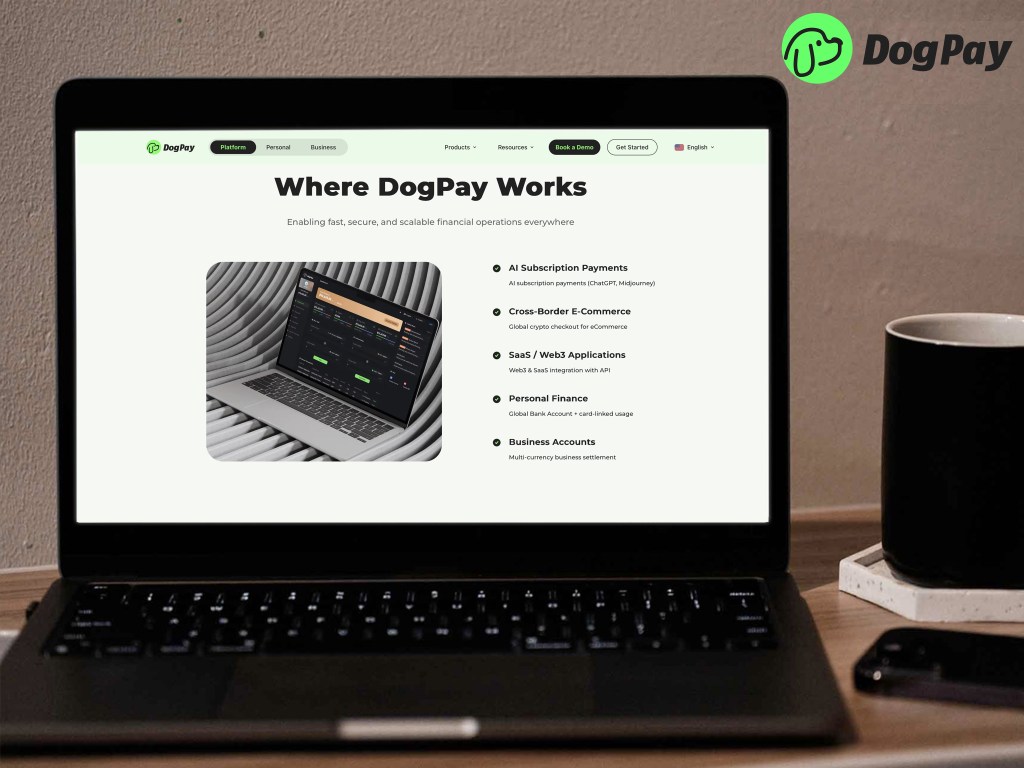
2. How Dogpay Enhances Your Rental Experience
| Scenario | Common Challenge | Dogpay Advantage |
|---|---|---|
| Paying Deposit & Rent | FX volatility, slow cross-border transfers | Real-time, transparent, multi-currency payments |
| Legal & Contract Fees | Multiple vendors, scattered records | One payment platform with auto-generated receipts |
| Budget Management | Cost differences between cities, complex budgeting | Flexible fund control, real-time tracking |
| Handling Emergencies | Payment delays disrupt lease or move-in plans | Fast transfers + stablecoin option for urgency |