1. Can Non-Residents Open a Bank Account in Luxembourg?
Yes, Luxembourg allows both residents and non-residents to open bank accounts. However, the process can be quite formal and time-consuming, especially if you’re not physically present in the country.
While some banks may offer partial online onboarding, most require an in-person visit to a local branch for verification, especially if you don’t have a pre-existing relationship with a European bank.
2. What Do You Need to Open a Bank Account in Luxembourg?
Most banks will ask for several documents depending on your residency status and the type of account you want. Here’s a general checklist:
- Valid passport or national ID card
- Proof of address (either in Luxembourg or your country of residence)
- Proof of income or employment contract (for credit accounts)
- Tax residency certificate or foreign tax ID (especially if you’re not a resident)
- Bank reference or funds origin statement (may be required for larger deposits or international clients)
Some banks may also require face-to-face onboarding, even if your documents are accepted online initially.
3. How Long Does It Take?
Opening an account in Luxembourg can take anywhere from a couple of weeks to over a month, depending on:
- The specific bank’s onboarding policy
- How complete your documentation is
- Whether you’re opening the account from abroad
4. Banks Popular with Expats
If you’re a foreign national or digital nomad, these banks are considered more accessible:
| Bank | Highlights |
|---|---|
| BGL BNP Paribas | Multilingual services, large ATM network |
| Spuerkeess (BCEE) | Government-owned, trusted for stability |
| ING Luxembourg | Mobile-friendly, partial online application possible |
| Banque Raiffeisen | Cooperative banking model, flexible service |
5. Common Challenges
Opening a traditional account in Luxembourg may present some hurdles:
- Not all banks speak English fluently in every branch
- Documentation requirements may differ between banks
- You may face delays due to compliance and KYC/AML regulations
- Bank accounts typically only support EUR and may charge fees for multi-currency use
6. Why DogPay Could Be a Better Alternative
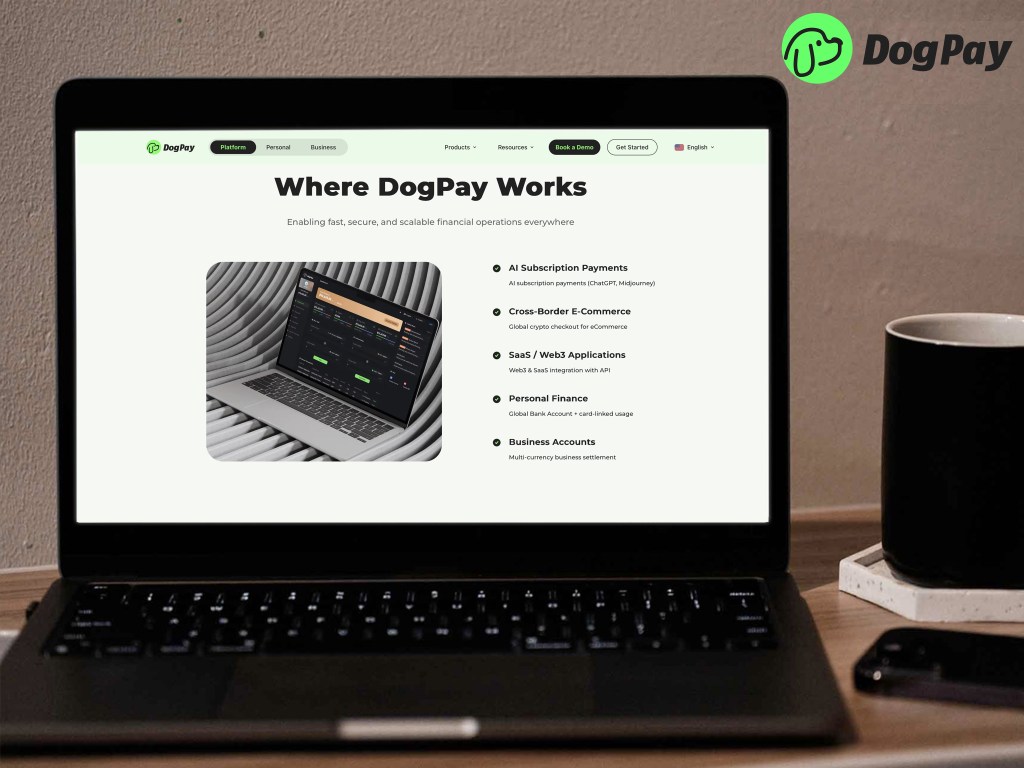
For many global users, freelancers, or digital nomads, the traditional Luxembourg banking system may not be the most practical option. DogPay provides a fast, low-friction alternative designed for cross-border financial needs.
Here’s what DogPay offers:
✅ No residency requirements — sign up online from anywhere
✅ Multi-currency wallet — hold, convert, and send funds in multiple currencies
✅ Virtual debit card — works with Apple Pay and Google Pay globally
✅ No need for local proof of address or tax documents
✅ Transparent pricing — no hidden fees, competitive exchange rates
✅ Available in 180+ countries
Whether you need to receive payments, pay contractors, shop online, or manage multiple currencies, DogPay makes it possible without relying on local banking infrastructure.
7. Side-by-Side Comparison
| Feature | Traditional Luxembourg Bank | DogPay |
|---|---|---|
| Requires In-Person Visit | Often yes | Never |
| Residency/Address Proof | Always required | Not needed |
| Multi-Currency Functionality | Limited, mostly EUR | Built-in, flexible |
| Onboarding Time | Weeks to months | Instant |
| Fees | Monthly charges & transfer fees | Low & transparent |
| Best Use Case | Long-term residents | Travelers, freelancers, nomads |