1. Why Closing CIBC from Abroad Is Difficult
- Generally, CIBC requires an in-person visit to a Canadian branch to close an account—remote closure is not supported.(turn0search0)
- You can transfer funds between CIBC accounts by phone, but this doesn’t close the account for good.(turn0search0)
- Idle accounts incur fees—CAD 20 per year in years 2–4, CAD 30 in years 5–8, and CAD 40 in year 9. If untouched by year 10, remaining funds are forfeited to Canada as unclaimed property.(turn0search0)
2. Risks & What You Can Do
- Closing your account while still in Canada is the most reliable method;
- If already abroad, try contacting CIBC via secure message or phone, but chances of complete closure are slim.(turn0search0)
- Best practice: empty and close your account before leaving, to avoid mounting fees or forfeiture.
3. A Modern Alternative: DogPay’s Multi-Currency Platform
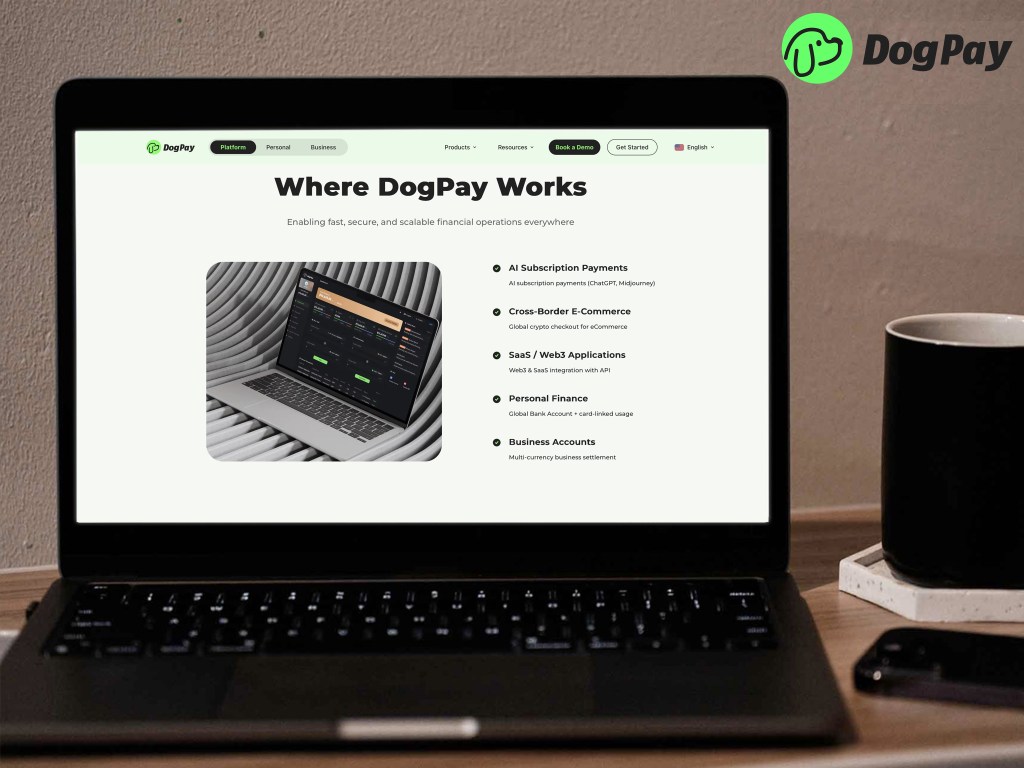
If you’re closing your CIBC account but still need global payment or multi-currency access, DogPay is a powerful alternative:
- No need for a local bank—fully online setup;
- Supports both fiat and crypto currency holding and conversion;
- Offers virtual cards compatible with Apple Pay, Google Pay, and global spending;
- Available in 180+ countries, with low or no fees and transparent mid-market exchange rates;
- Perfect for digital nomads, remote professionals, and frequent travelers.
4. Feature Comparison
| Feature | CIBC (Traditional Banking) | DogPay (Modern Digital Wallet) |
|---|---|---|
| Account Closure | Requires branch visit in Canada | No account needed—online closure |
| Dormancy Costs | Accumulates high annual fees | No dormancy fees—pay what you use |
| Cross-border Usage | Limited flexibility | Seamless global multi-currency use |
| Convenience | Low—complex procedures | High—on-demand access |
| Overall Cost Structure | Fees and potential asset forfeiture | Minimal to zero fees, fair FX |