1. Market Overview
Hong Kong’s virtual card market is booming, fueled by:
- Regulatory Tailwinds: HKMA’s “Fintech 2025” strategy promotes digital payment innovation.
- Growing Demand: E-commerce, Web3 firms, and remote teams seek instant issuance, multi-currency support, and enhanced security.
2. Key Benefits of Virtual Cards
Hong Kong providers offer:
✅ Instant Issuance: No physical card needed—ready for online use in minutes.
✅ Multi-Currency: Spend in USD/HKD/EUR with auto-FX, reducing cross-border fees.
✅ Advanced Security: Dynamic CVV, single-use card numbers, and AI fraud detection.
✅ Broad Acceptance: Works with Shopify, Netflix, Google Ads, and other global platforms.
3. Competitive Landscape
- Traditional Banks: HSBC, Standard Chartered provide corporate virtual cards but with slower onboarding.
- Fintech Startups: Reap and Neat attract SMEs with faster setup and lower costs.
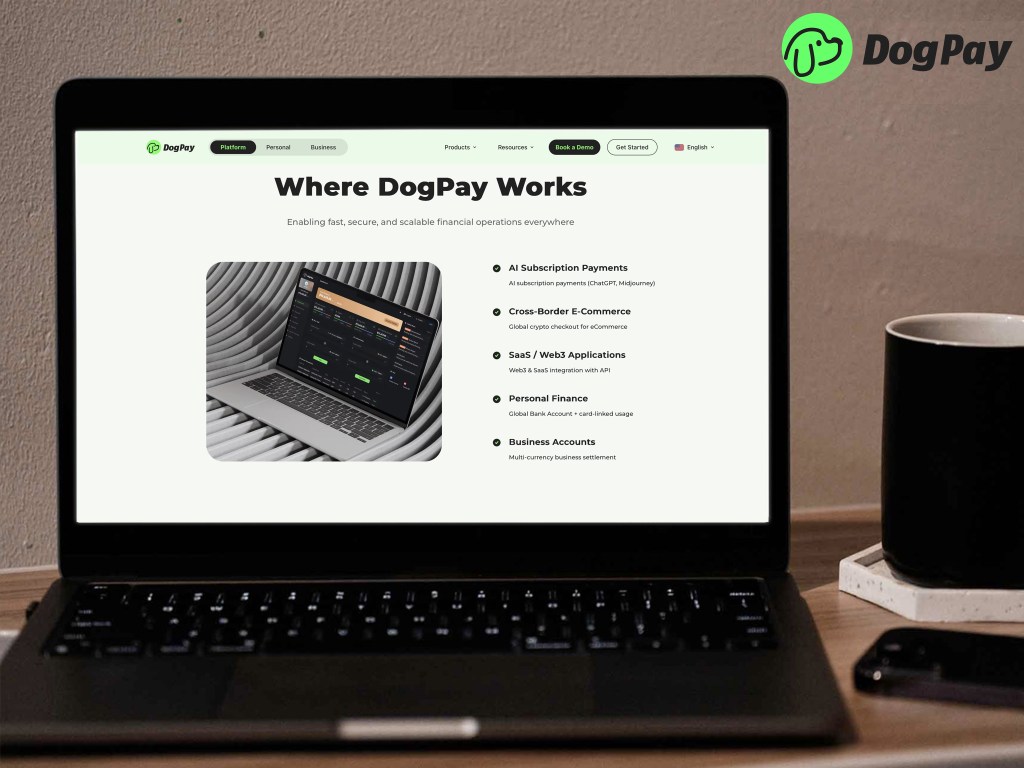
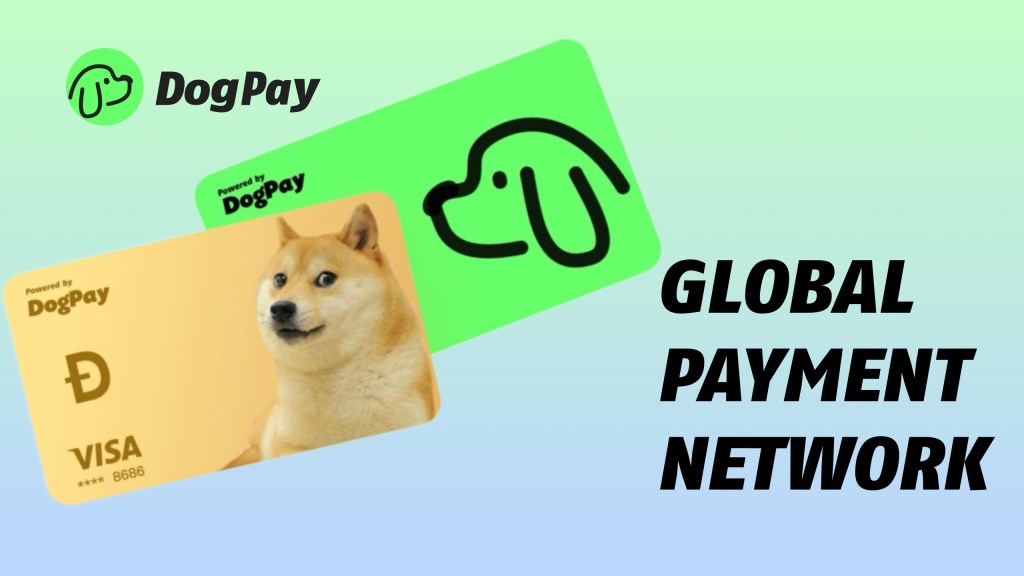
- Web3 Players: Licensed platforms like DogPay enable “Crypto-to-Virtual Card” spending (e.g., USDT top-ups).
4. Case Study: DogPay’s Virtual Card Solution
As a licensed Hong Kong payment provider, DogPay stands out with:
- Web3 Integration: Convert crypto (USDT/BTC) to virtual card balance for global payments.
- B2B Tools: API-powered multi-card management for employee expenses and vendor payouts.
- Regulatory Compliance: Funds held in licensed banks, PCI-DSS Level 1 certified.
The Future: Virtual cards will become a critical bridge between fiat and Web3 economies as Hong Kong solidifies its crypto-friendly policies.