In the world of cross-border commerce, Web3 platforms, and international settlements, stablecoins (like USDC, USDT) are quickly becoming the go-to method for digital payments.
They offer speed, low fees, and global accessibility—everything traditional banking lacks. But are stablecoins truly “free to use”?
✅ The Allure of Stablecoin Payments
- Instant settlement without banking middlemen
- Cross-border transfers outside the SWIFT network
- Seamless interaction between Web3 and fiat systems
- Reduced reliance on traditional bank accounts
This frictionless flow of capital is appealing—but it comes with a high regulatory price.
⚠️ What’s Behind the Curtain: The Regulatory Reality
As adoption increases, regulators worldwide (FATF, SEC, HKMA, etc.) are zeroing in on stablecoin ecosystems. Key questions they raise:
- Is the stablecoin truly backed 1:1 by reserves?
- Are sources of funds verified and KYC-compliant?
- Does the platform hold proper licenses (e.g., MSB, EMI)?
- Are AML, CTF, and risk controls in place at each layer?
To use stablecoins safely, your platform needs deep compliance infrastructure.
🚀 DogPay’s Practical Approach
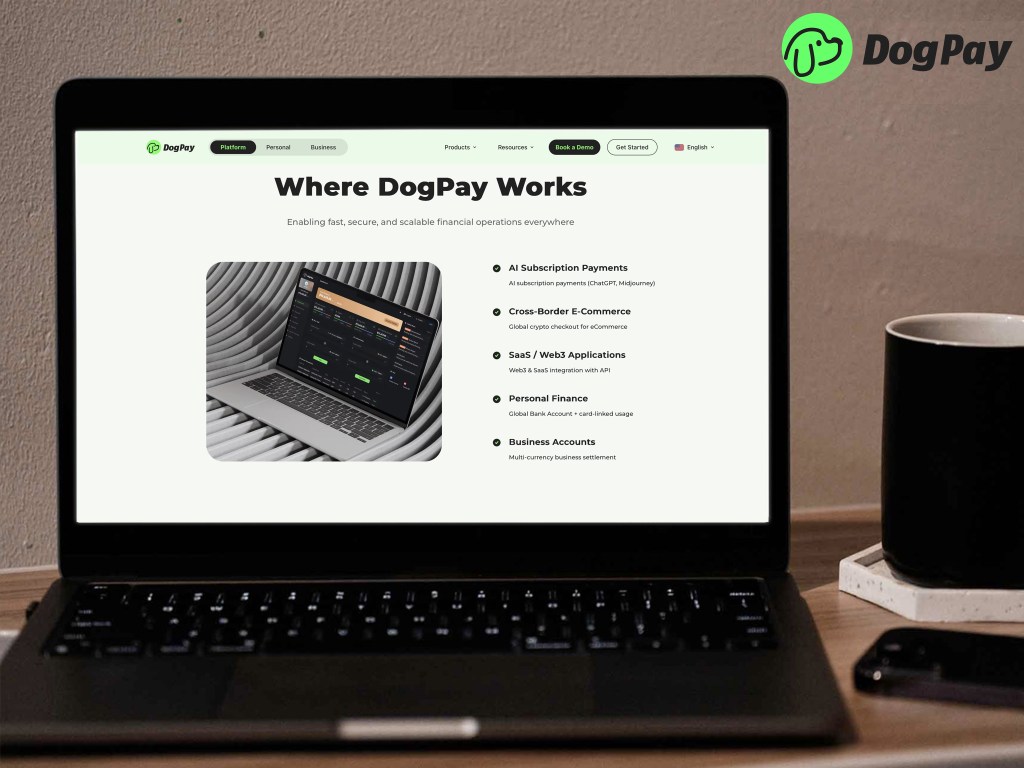
DogPay is a compliance-first stablecoin payment infrastructure, offering:
- Global enterprise accounts supporting multi-stablecoin settlements
- Visa-based virtual cards to spend stablecoins on ads, SaaS, e-commerce
- Regulatory-grade conversion from stablecoins to fiat for global payouts
- Full licensing suite (MSB, TCSP) to support compliant fund flows
With DogPay, companies can unlock the true utility of stablecoin payments—without compromising compliance, trust, or global scalability.