In today’s rapidly evolving global market, businesses no longer compete only on product or marketing — efficient payment infrastructure has become a key driver of global expansion. One of the biggest challenges merchants face is: how to collect revenue locally but manage treasury globally.
1. Local Payment Options Drive Conversion
Customers prefer to pay in familiar, trusted ways. In China, that’s WeChat Pay or Alipay. In the U.S. and Europe, it’s credit cards or Apple Pay. In Latin America or Southeast Asia, local e-wallets are king. A modern acquiring platform must integrate regional payment methods into a unified merchant experience, enabling frictionless checkout and boosting conversions.
2. Unified Global Account for Treasury Management
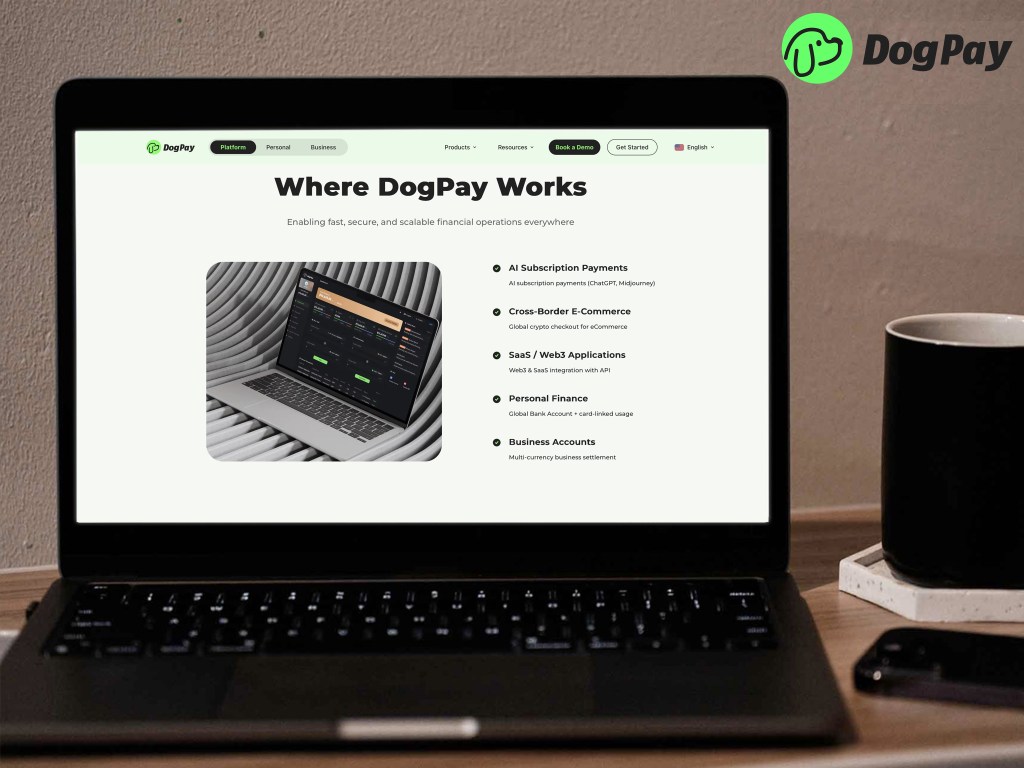
Once funds are collected locally, the next hurdle is managing them globally. A strong solution like DogPay’s Global Account helps businesses aggregate incoming funds across regions into one multi-currency dashboard. Businesses can transfer balances, reconcile revenues, and manage treasury efficiently—all within a compliant, centralized interface.
3. Flexible Settlement to Optimize Cash Flow
Instead of waiting days for traditional settlement, DogPay allows merchants to receive funds nearly instantly in stablecoins or fiat. Merchants can choose settlement currency and frequency based on operational needs, avoiding unnecessary FX losses and maintaining liquidity.
4. API Integration for Scalable Growth
DogPay provides developer-friendly APIs for seamless embedding into SaaS platforms, DTC brands, e-commerce operations, or Web3 projects. From payment collection to reconciliation and settlement, the platform automates the payment stack and minimizes manual overhead.
Conclusion:
Going global doesn’t mean compromising on local experiences. With the right acquiring infrastructure like DogPay, businesses can collect like a local, settle like a pro, and grow across borders without being slowed down by payment complexity.