In the evolving landscape of cross-border business, receiving payments is no longer the challenge—the real question is how to effectively use those funds across global operations.
That’s where Global Accounts come in—not just as collection tools, but as financial command centers for procurement, marketing, and treasury optimization.
Why Traditional Accounts Fall Short
Legacy bank accounts may accept international payments, but operational bottlenecks quickly appear:
- Delays in remittance and currency conversion
- Inability to use balances for business expenses like ads or subscriptions
- Fragmented financial systems with poor fund mobility
- Lack of access control, making it hard to manage teams or departments
In contrast, a smart Global Account bridges the full financial workflow—from inbound collections to outbound spending.
The Strategic Value of Modern Global Accounts
- Centralized Liquidity Management Consolidate multi-currency balances, initiate FX or transfers on demand.
- Operational Flexibility Use funds for marketing, procurement, and service subscriptions directly—no external banks needed.
- Cost Visibility Transparent fees, live FX rates, and clear reporting reduce unnecessary costs and financial ambiguity.
- Compliance & Oversight Built-in role-based access and auditing tools support internal governance and external reporting.
Common Use Cases
- DTC brands pay for global ad campaigns directly from sales revenue using their global account
- SaaS platforms collect subscriptions and disburse earnings from the same account infrastructure
- B2B firms settle invoices with international suppliers without relying on legacy SWIFT payments
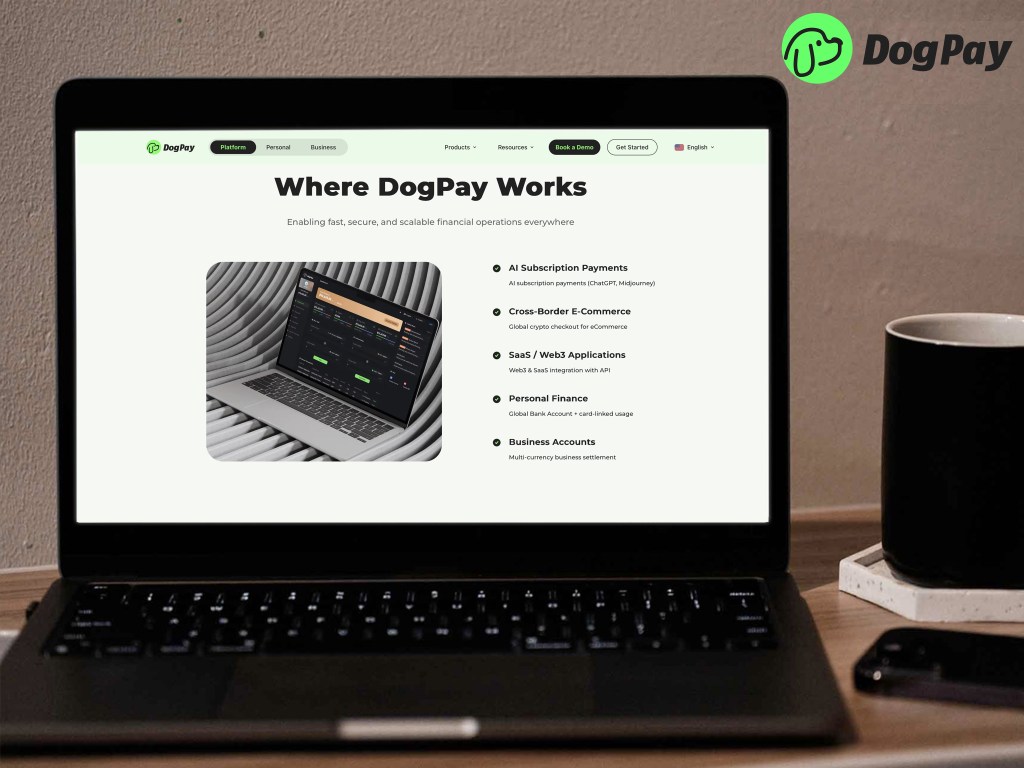
With solutions like those from DogPay, these features are not theoretical—they are built into a real-time, API-enabled global account system that enables true financial agility for international businesses.