In a digital economy increasingly shaped by decentralization and blockchain innovation, regulatory compliance has emerged as a non-negotiable foundation for fintech platforms. While the crypto space was once dubbed the “Wild West,” maturing regulations now demand structure, accountability, and above all—trust.
Why Compliance Matters in Crypto Payments
With the rise of cross-border stablecoin transfers, crypto-based virtual cards, and global merchant acquiring, compliance ensures:
- User Protection through identity verification (KYC)
- Anti-Money Laundering (AML) monitoring for suspicious activity
- Data Transparency for regulators and banks
- Institutional Trust to enable fiat conversion and partnerships
Failing to meet these standards may lead to service bans, frozen accounts, or reputational risk—challenges no growing fintech can afford.
Building the Right Compliance Framework
Forward-thinking companies embed compliance into their infrastructure:
- KYC/AML onboarding tailored by user type and jurisdiction
- Licensing coverage (e.g., MSB in the U.S., TCSP in Hong Kong)
- Transaction monitoring systems for risk-based reviews
- Integration-friendly APIs that allow compliance as a service
A strong framework doesn’t slow innovation—it unlocks global scale.
DogPay: Where Compliance Meets Usability
As a crypto-native payment infrastructure provider, DogPay leads with compliance:
- Holds U.S. MSB license and Hong Kong TCSP registration
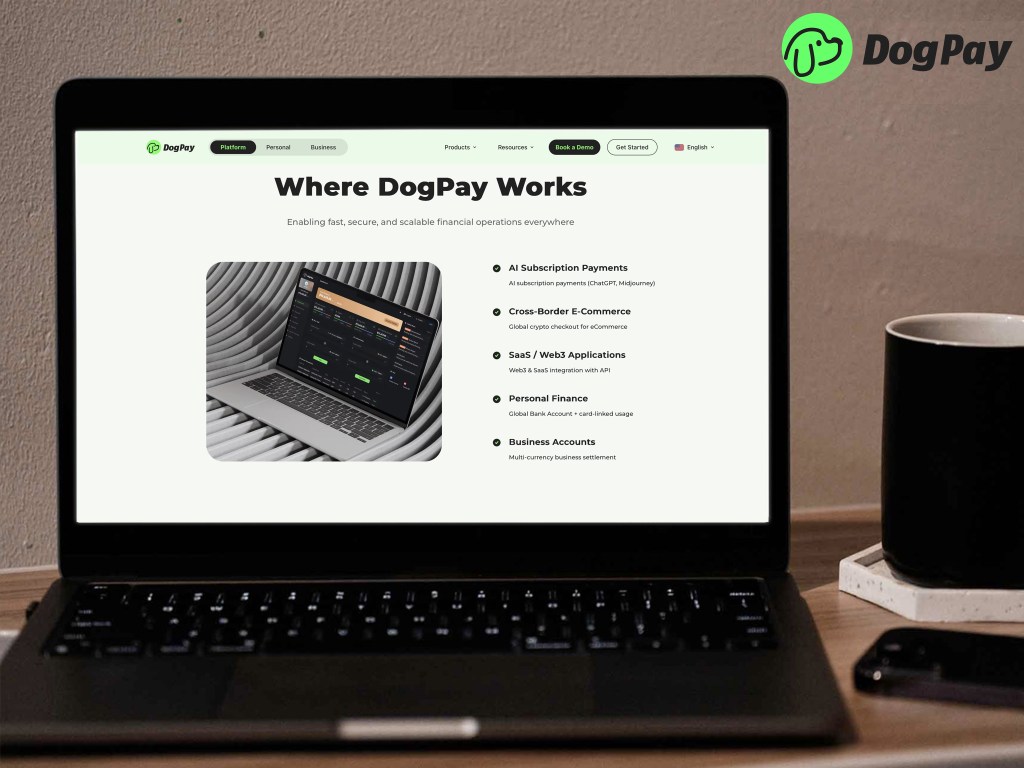
- Offers multi-currency Global Accounts with compliant onboarding
- Supports stablecoin-to-fiat conversion under regulatory guardrails
- Provides tools for merchants to accept USDT/ETH via secure APIs
DogPay proves that you don’t have to choose between decentralization and regulation—you can have both.