For years, physical cards have been the hallmark of payment convenience. But today, with the rapid adoption of virtual cards, the payment landscape is evolving—and fast.
How do virtual and physical cards differ?
| Feature | Virtual Card | Physical Card |
|---|---|---|
| Issuance Speed | Instant issuance | Days to produce and ship |
| Use Cases | Online purchases, subscriptions, ads | POS terminals, ATM withdrawals |
| Cost | Lower (e.g., DogPay starts at $5) | Higher (including shipping/logistics) |
| Risk Control | Instantly freeze/manage limits | Relies on traditional bank processes |
| Security | No physical form, less fraud risk | Can be lost or stolen |
While physical cards still play a role in offline transactions, the future of digital payments clearly favors virtual cards—especially for global teams, Web3 ecosystems, and digital-first consumers.
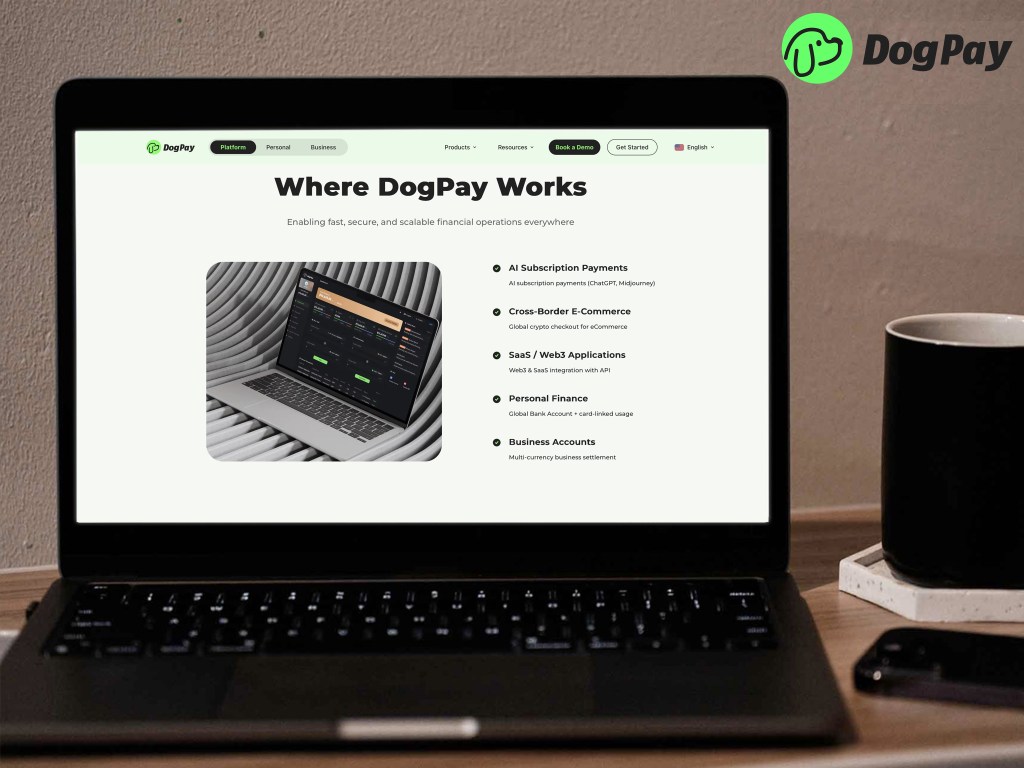
DogPay supports both formats, giving users and businesses the freedom to choose how they pay, based on context—not limitation.