In the wave of digitalization, virtual cards have become a favorite for global payments, especially among cross-border e-commerce businesses, freelancers, and Web3 teams. But what exactly is a virtual card? How does it differ from traditional plastic cards? And how can you use it effectively?
Definition of a Virtual Card
A virtual card exists only in the digital world. Issued by payment institutions or banks, it includes a card number, expiry date, and CVV. You can pay online or via NFC-enabled devices. Virtual cards can be created, frozen, or destroyed anytime, giving you complete control and enhanced security.
Core Advantages
- Flexibility: Generate multiple cards to manage expenses for different projects.
- Security: Single-use card numbers and spending limits reduce fraud risks.
- Global Reach: Multi-currency support makes cross-border payments easy.
- Instant Issuance: No waiting for physical delivery—ready to use in minutes.
Use Cases
- Cross-border advertising (Facebook, Google Ads)
- SaaS subscriptions
- Budget allocation for teams
- Freelance payments
DogPay Advantages
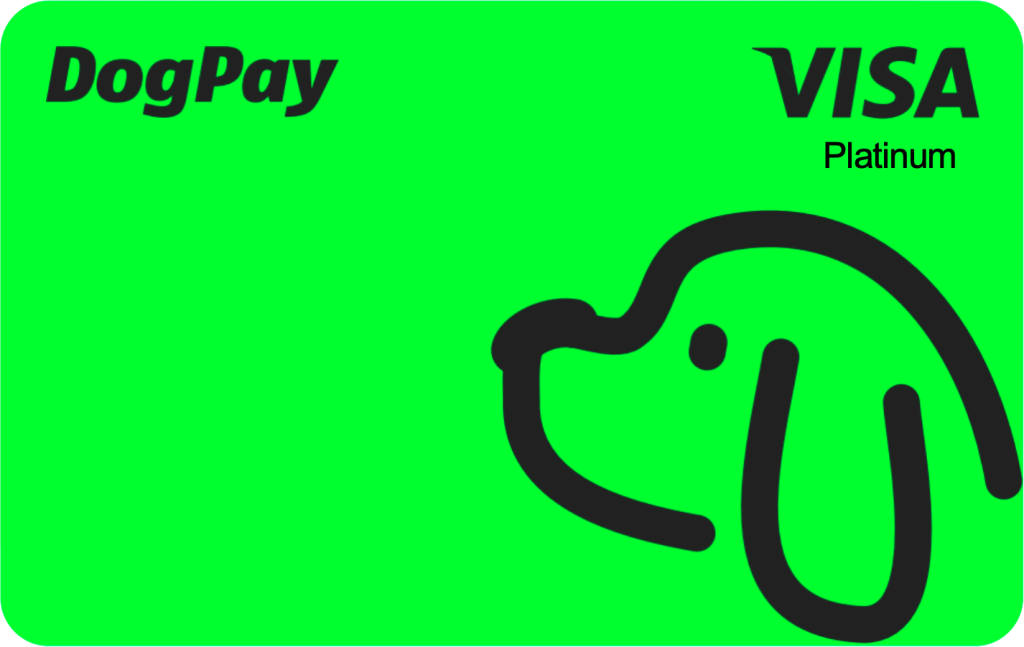
DogPay virtual cards can be funded directly with stablecoins (USDT, USDC) and support spending in 30+ fiat currencies. With flexible limits and seamless integration with multi-currency accounts, DogPay is an ideal solution for Web3 businesses.
Conclusion
Virtual cards are more than just payment tools—they are the foundation of modern digital finance. Try DogPay virtual cards today and experience frictionless global payments.